 EN
 Deutsch
 Español
 Français
 Italiano
 Português
 Nederlands
 Polski
 Bahasa Indonesia
 Русский
 Українська
 العربية
 עברית
 हिन्दी
 日本語
 한국어
2026-01-29
Design an End-to-End Auditable ESG Compliance Stack
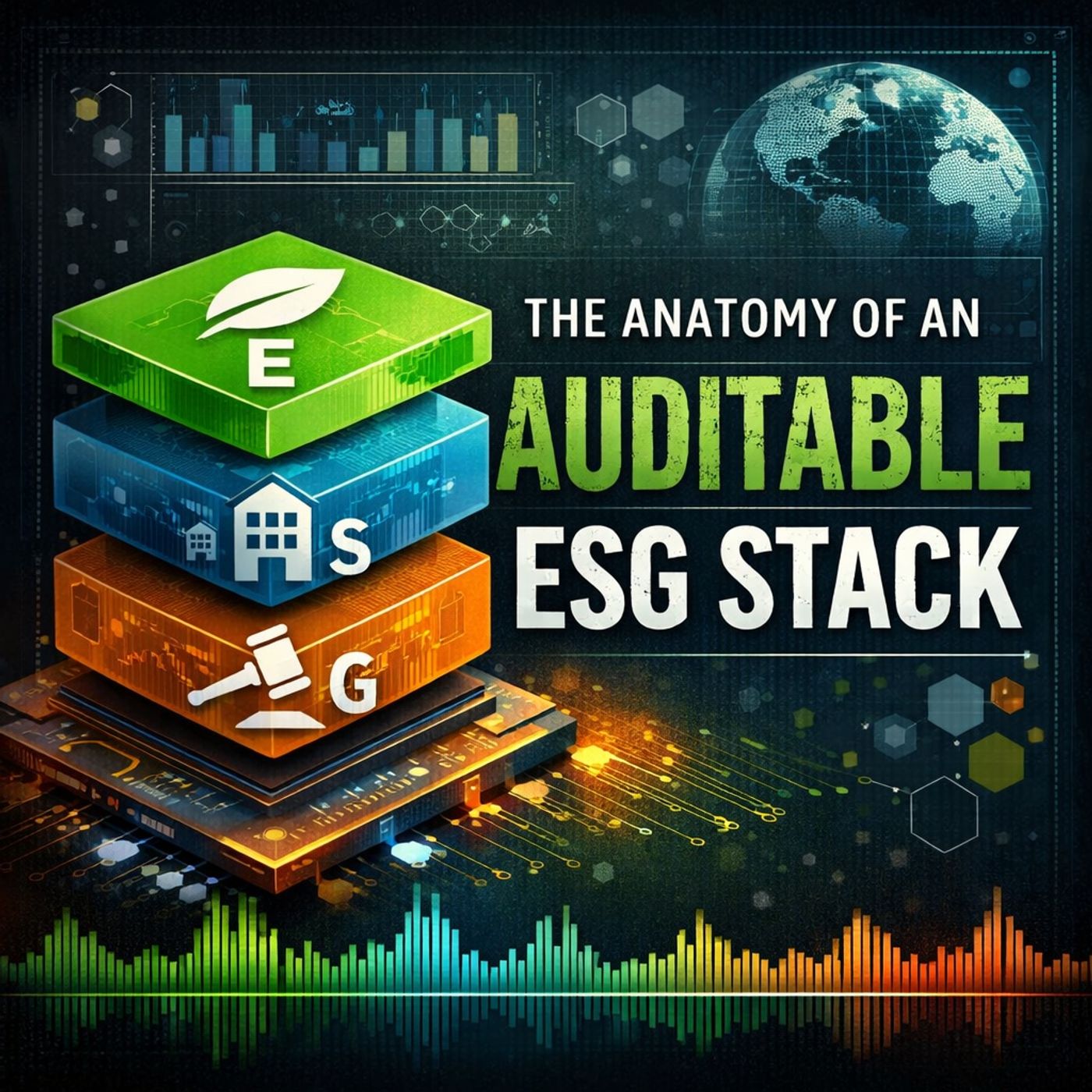
In today's business landscape, the significance of an auditable ESG stack cannot be overstated. A recent statistic reveals that 72% of Fortune 500 companies now incorporate building performance in their ESG reporting, a notable rise from 41% in 2023. This shift underscores the growing recognition of sustainability as a vital component of corporate strategy. Implementing an auditable ESG stack enables organizations to integrate sustainability risks into financial decision-making. A structured approach fosters trust and enhances overall performance, making transparency essential in your ESG journey.
Key Takeaways
- An auditable ESG stack is essential for integrating sustainability into corporate strategy, enhancing transparency and trust.
- Reliable data sources, both internal and external, are crucial for effective ESG reporting and performance assessment.
- Implementing standardization techniques and management systems improves data integration and quality in ESG processes.
- Transparent reporting builds credibility with stakeholders and meets regulatory demands, making it vital for ESG success.
- Engaging stakeholders, including employees and investors, strengthens ESG strategies and fosters a culture of sustainability.
- Adopting recognized reporting standards like GRI and SASB ensures consistency and comparability in ESG disclosures.
- Utilizing technology, such as automation and AI, enhances the accuracy and efficiency of ESG data management.
- Continuous improvement through feedback mechanisms and training programs is key to adapting to evolving sustainability demands.
ESG Data Sources
Reliable data sources form the backbone of an auditable ESG stack. You need accurate and comprehensive data to assess your organization's environmental, social, and governance performance effectively. Without trustworthy data, your ESG reporting may lack credibility, leading to potential risks and missed opportunities.
Internal Data
Company Records
Your organization generates a wealth of internal data through various channels. Company records, including financial statements, sustainability reports, and operational metrics, provide essential insights into your ESG performance. These documents help you track progress and identify areas for improvement.
Employee Feedback
Employee feedback serves as another vital internal data source. Conducting surveys and gathering direct input from staff can reveal insights into workplace culture, diversity, and employee satisfaction. This information is crucial for understanding the social aspect of your ESG strategy.
External Data
Market Research
External data sources, such as market research, offer valuable context for your ESG initiatives. By analyzing industry trends and competitor performance, you can benchmark your organization against peers. This information helps you identify best practices and areas where you can enhance your ESG efforts.
Regulatory Reports
Regulatory reports are essential for compliance and risk management. These documents outline the legal requirements your organization must meet regarding ESG practices. Staying informed about local and international regulations ensures that you remain compliant and avoid potential penalties.
To illustrate the types of data sources used by multinational corporations, consider the following table:
| Type of Data | Internal Sources | External Sources |
|---|---|---|
| Environmental | Company reports, regulatory filings | Sensors, third-party audits |
| Social | Employee surveys, direct disclosures | Third-party assessments, media reports |
| Governance | Internal audits, board reports | Third-party evaluations, shareholder reports |
Utilizing a mix of internal and external data sources enhances the integrity of your ESG reporting. However, you must also be aware of common pitfalls in data collection. For instance, incomplete asset tracking and manual data entry errors can lead to inaccuracies. To mitigate these issues, consider the following solutions:
| Common Pitfalls | Solutions |
|---|---|
| Incomplete Asset Tracking | Build and maintain a dynamic asset inventory. Integrate emissions data tracking into workflows. |
| Misuse of Emission Factors | Use the most granular and up-to-date emission factors available. Match fuel types accurately. |
| Manual Data Entry Errors | Automate data collection where possible and use validation rules to flag anomalies. |
By leveraging Microsoft's Operational ESG (OESG), you can ensure data integrity throughout your ESG processes. OESG provides a controlled environment where every input, transformation, and output is meticulously tracked. This level of oversight allows you to present your ESG data confidently, knowing it is backed by a solid foundation of governance and accountability.
Data Processing for Auditable ESG Stack
Data processing plays a crucial role in ensuring the integrity of your ESG reporting. By effectively managing and analyzing data, you can enhance the accuracy and reliability of your ESG disclosures. This section explores the key components of data processing, including integration and analysis, which are essential for building a robust auditable ESG stack.
Data Integration
Integrating data from various sources is vital for creating a comprehensive ESG profile. However, organizations often face challenges during this process.
Standardization Techniques
To achieve effective data integration, you must employ standardization techniques. These techniques help unify data formats and structures, making it easier to analyze and compare information. Consider the following approaches:
- Develop a common data model: Establish a framework that defines how data should be structured across different sources.
- Utilize APIs: Application Programming Interfaces (APIs) can facilitate seamless data exchange between systems, ensuring consistency.
- Implement data validation rules: These rules help maintain data quality by flagging inconsistencies or errors during integration.
Management Systems
A robust management system is essential for overseeing the integration process. This system should include:
- Centralized data repositories: Store all ESG-related data in a single location to streamline access and management.
- Automated workflows: Automate data collection and processing tasks to reduce manual errors and improve efficiency.
- Real-time monitoring: Implement tools that provide ongoing oversight of data integration, allowing you to quickly identify and address issues.
Data Analysis
Once you have integrated your data, the next step is to analyze it effectively. Data analysis provides valuable insights that can inform your ESG strategy.
Quantitative Methods
Quantitative analysis involves using numerical data to assess ESG performance. Effective methods include:
- Scoring models and ratings: Assign scores based on ESG performance to provide a quick overview of your standing.
- Risk assessment: Evaluate potential impacts of ESG factors on financial health through scenario simulations.
- Materiality mapping: Identify significant ESG factors relevant to your industry to ensure accurate scoring.
Qualitative Insights
Qualitative analysis complements quantitative methods by providing context and depth. You can gather qualitative insights through:
- Stakeholder interviews: Engage with employees, investors, and community members to understand their perspectives on your ESG initiatives.
- Case studies: Analyze successful ESG practices from other organizations to identify best practices and lessons learned.
- Thematic analysis: Review qualitative data to identify recurring themes and trends that can inform your ESG strategy.
Advanced data processing technologies, such as AI and machine learning, significantly improve ESG reporting accuracy. These technologies enable:
- Automated extraction of ESG information from public and private data sources.
- Intelligent mapping across frameworks like TCFD, CSRD, and ISSB.
- Normalization of disclosures to create comparable datasets.
- Anomaly detection to flag potential errors or misleading claims.
- Predictive analytics to surface forward-looking risks and opportunities.
- Real-time integration for ongoing portfolio monitoring.
By automating report creation and revision processes, ESG solutions help you reduce manual errors, leading to more consistent and accurate reporting.
Reporting Mechanisms in ESG
Transparent reporting forms the cornerstone of an auditable ESG stack. When you provide clear, accurate, and verifiable ESG data, you build trust with stakeholders and meet regulatory demands. Transparent ESG reporting allows investors, customers, and regulators to assess your company’s sustainability and ethical practices confidently. Without transparency, your ESG reporting risks losing credibility and impact.
Reporting Standards
Adopting recognized reporting standards helps you maintain consistency and comparability in your ESG disclosures. These standards guide how you collect, process, and present ESG data, ensuring your reporting meets stakeholder expectations.
GRI Guidelines
The Global Reporting Initiative (GRI) offers one of the most widely used ESG reporting standards worldwide. GRI focuses on a stakeholder-centric approach, encouraging you to report on diverse ESG topics that matter to your employees, customers, communities, and investors. This standard emphasizes transparency and accountability across environmental, social, and governance dimensions.
SASB Framework
The Sustainability Accounting Standards Board (SASB) framework targets ESG factors that affect financial performance. SASB helps you focus on industry-specific metrics that investors use to evaluate enterprise value. This framework promotes clarity and comparability, making your ESG reporting more relevant to financial stakeholders.
To help you understand how these and other standards differ, consider the following table:
| Standard | Key Characteristics | Focus Area |
|---|---|---|
| GRI | Widely used global standard, stakeholder-centric | Diverse stakeholders |
| ESRS | Double materiality, mandates forward-looking info | Financial and environmental/social impact |
| ISSB | Focus on enterprise value and financial materiality | Investor interests |
Transparency Practices
You must go beyond standards to ensure your ESG reporting remains transparent and accessible. Transparency practices strengthen your ESG stack by fostering open communication and clear presentation of data.
Stakeholder Communication
Engage your stakeholders regularly by sharing ESG data and insights openly. Transparent communication builds accountability and trust. Investors increasingly demand consistent, complete ESG data to make informed decisions. For example, mandatory frameworks like the EU’s CSRD and the U.S. SEC’s climate disclosure rules raise the bar for corporate transparency. These regulations require you to disclose ESG information that investors rely on to evaluate sustainability risks and opportunities.
| Evidence Type | Description |
|---|---|
| Transparency | ESG reports provide an open view into your company’s practices and impact, offering clarity. |
| Accountability | You remain responsible for your environmental and social performance, meeting commitments. |
| Building Credibility | Effective ESG disclosures foster trust with investors, customers, and regulators. |
| Attracting Investors | Transparent ESG reporting increasingly influences investment decisions favoring sustainability. |
Reporting Formats
Choose reporting formats that enhance readability and auditability. Structured digital reports, dashboards, and interactive data visualizations help stakeholders explore your ESG data easily. Consistent formatting also supports audit trails, enabling verifiers to trace data back to its source. Microsoft’s Operational ESG (OESG) platform enhances your reporting credibility by providing a controlled environment where every data input, transformation, and output is tracked and immutable. OESG integrates ISO standards and methodologies like Probus-Sigma, recognized for improving data quality and auditability in ESG disclosures.
| Evidence | Description |
|---|---|
| ISO Standards | Widely accepted standards for measuring ESG factors, enhancing credibility. |
| Probus-Sigma | Methodologies for ESG ratings based on ISO and external verification, ensuring objective data. |
| AMCS ESG Solution | High scores in data acquisition, quality enhancement, and auditability, crucial for credible ESG reporting. |
By adopting robust reporting standards and transparency practices, you ensure your ESG reporting withstands scrutiny. You provide stakeholders with reliable data that supports sustainable decision-making and strengthens your company’s reputation.
Compliance Mechanisms

Compliance mechanisms are essential for ensuring that your ESG reporting meets regulatory requirements and maintains credibility. Understanding the regulatory frameworks that govern ESG practices helps you navigate the complex landscape of sustainability reporting. This section outlines the key local and international regulations and the auditing processes that validate your ESG claims.
Regulatory Frameworks
Local Regulations
In the United States, the ESG regulatory landscape lacks a cohesive federal framework. Most ESG reporting remains voluntary, with proposed SEC climate disclosure rules focusing on environmental risks. This fragmented approach can lead to inconsistencies in how organizations report their ESG data.
In contrast, Europe has established a more structured regulatory environment. The Corporate Sustainability Reporting Directive (CSRD) and European Sustainability Reporting Standards (ESRS) govern ESG reporting in the EU. These regulations, enforced by the European Financial Reporting Advisory Group (EFRAG), include binding targets and a double materiality concept. This means that companies must consider both the impact of their operations on the environment and society, as well as how sustainability issues affect their financial performance.
International Standards
Internationally, the International Sustainability Standards Board (ISSB), established by the IFRS Foundation, aims to create a global baseline for ESG reporting. The ISSB has issued IFRS S1 and S2 standards, which focus on financial materiality and climate-related risks. Aligning with these standards enhances the trustworthiness and clarity of your ESG reporting, supporting global compliance.
The ISSB integrates elements from existing frameworks like GRI, SASB, and TCFD to unify sustainability disclosure standards. This unification facilitates compliance for multinational corporations, making it easier to navigate different regional requirements.
Auditing Processes
Auditing processes play a crucial role in validating your ESG claims. They ensure that your data collection and reporting practices comply with various regulatory frameworks.
Internal Audits
Internal audits involve reviewing your organization's ESG data management practices. These audits focus on governance, internal controls, and the traceability of data sources. By conducting regular internal audits, you can identify potential weaknesses in your ESG reporting processes and address them proactively.
Third-Party Verification
Third-party verification enhances the credibility of your ESG reports. Independent auditors verify the data in your ESG reports to ensure compliance with regulatory standards. This process often involves:
- Verification of data accuracy and completeness.
- Assessment of data collection and management practices.
- Alignment with standardized ESG frameworks such as GRI, SASB, TCFD, ISSB, and CSRD.
Using automation and AI tools for data compilation and standardization can streamline this verification process. Additionally, periodic training of sustainability teams ensures that they remain updated on best practices and compliance requirements.
The cost of third-party verification varies based on the assurance type. For example, limited assurance can range from $8,000 to $25,000, while reasonable assurance may cost between $20,000 and $60,000. Carbon footprint verification typically falls between $3,000 and $10,000.
Recent regulatory changes, including the EU's CSRD and ISSB standards, have transformed sustainability reporting into a mandatory process. This shift necessitates a robust ESG stack that can accurately track and audit sustainability data, ensuring compliance and integrity.
Governance Structures for ESG
Effective governance structures play a crucial role in maintaining an auditable ESG stack. By integrating ESG into your strategic planning and enterprise risk management, you ensure that sustainability becomes a core aspect of your corporate governance. This integration enhances the reliability of your ESG reporting, allowing you to build trust with stakeholders.
Leadership Roles
Board Oversight
Your board of directors must take an active role in overseeing ESG initiatives. Strong board oversight can lead to significant benefits, such as improved stakeholder engagement and enhanced risk management. Institutional investors recognize that effective ESG governance is essential for maximizing long-term shareholder value. Companies with robust governance structures may reduce potential liabilities and improve compliance with regulations.
To strengthen board oversight, consider the following actions:
- Create a dedicated Sustainability/ESG Committee at the Board level.
- Hire or develop executive roles, such as a Chief Sustainability Officer.
- Integrate ESG KPIs into long-term incentive plans for executives.
When governance structures are weak, the gap between external reporting and internal execution becomes a massive reputational risk. Structuring ESG governance correctly is no longer just a compliance task; it’s a valuation imperative.
ESG Committees
Establishing ESG committees within your organization can significantly enhance compliance with evolving standards. Allocating responsibility to a committee with relevant knowledge and experience improves the effectiveness of the board’s oversight. Companies are increasingly evolving their committee structures to ensure effective oversight of ESG and sustainability.
| Evidence | Description |
|---|---|
| Clear Oversight Responsibilities | Leadership roles establish oversight at board and management levels, ensuring accountability. |
| ESG Expertise in Committees | Embedding ESG expertise within governance committees enhances decision-making and performance. |
| Executive Compensation Alignment | Linking executive pay to ESG metrics incentivizes leaders to achieve sustainability goals. |
| Dedicated Roles and Committees | Creating specific roles for ESG ensures strategic integration and operational execution of goals. |
| Board Stewardship | Boards set ESG strategy and oversee metrics that align with sustainability targets, driving long-term value. |
Stakeholder Engagement
Engaging stakeholders is essential for improving the trustworthiness of your ESG reports. By including both internal and external stakeholders in identifying significant issues, you refine your ESG strategies and ensure that your disclosures meet their expectations. This engagement enhances transparency and strengthens relationships with key parties.
Employee Involvement
Involving employees in your ESG initiatives fosters a culture of sustainability within your organization. Encourage feedback and participation in sustainability programs. This involvement not only boosts morale but also aligns your workforce with your ESG goals.
Investor Relations
Maintaining open lines of communication with investors is vital. Regularly share your ESG performance and initiatives with them. This transparency builds accountability and trust, which are crucial for attracting and retaining investors. Companies adopting ESG frameworks experience fewer regulatory fines and often see a positive correlation between ESG performance and financial success.
By establishing strong governance structures and engaging stakeholders effectively, you can enhance the credibility of your ESG reporting and drive long-term value for your organization.
Best Practices for an Auditable ESG Stack
Continuous improvement is vital for enhancing your ESG practices. By implementing effective strategies, you can ensure that your organization remains agile and responsive to evolving sustainability demands.
Continuous Improvement
Feedback Mechanisms
Establishing robust feedback mechanisms allows you to gather insights from various stakeholders. Consider these strategies for effective feedback:
- Centralize data: Streamlining data management enhances efficiency.
- Democratize ESG data access: Ensure all stakeholders can access data to foster transparency and engagement.
- Leverage proven data management platforms: Utilizing established tools can lead to quicker wins in ESG initiatives.
Training Programs
Investing in training programs equips your team with the necessary skills to manage ESG data effectively. Focus on:
- Adopting recognized reporting frameworks: Align your ESG reports with established standards to ensure consistency and transparency.
- Setting clear, measurable ESG goals: Specific, measurable goals help track progress and demonstrate commitment to improvement.
- Engaging stakeholders in materiality assessments: Involving stakeholders helps identify key issues and align disclosures with expectations.
Technology Adoption
Embracing technology is crucial for optimizing your ESG management. Automated solutions can significantly enhance your reporting processes.
ESG Software Solutions
The adoption of ESG software solutions is on the rise among S&P 500 companies. The following table illustrates the adoption rates of various ESG frameworks:
| ESG Framework | Adoption Rate (%) |
|---|---|
| SASB | 86% |
| CDP | 82% |
| TCFD | 67% |
| GRI | 64% |
| SDGs | 61% |
| Multiple Frameworks | 75%+ |

Automation Benefits
Automation improves the efficiency and accuracy of ESG data management. Key benefits include:
- Automated extraction of ESG information from public and private data sources.
- Intelligent mapping across frameworks like TCFD, CSRD, and ISSB.
- Normalization of disclosures to create comparable datasets.
- Anomaly detection to flag potential errors or misleading claims.
- Predictive analytics to surface forward-looking risks and opportunities.
- Real-time integration for ongoing portfolio monitoring.
By adopting automated compliance and reporting solutions, you can reduce reliance on unverified claims. This capability strengthens the credibility of your ESG disclosures, allowing you to present accurate and trustworthy data to stakeholders.
Implementing an auditable ESG stack is essential for your organization. It enhances transparency and builds trust with stakeholders. Successful examples, like Earth5R, show how technology can transform community actions into measurable ESG metrics. Their use of a mobile app and advanced tools demonstrates the effectiveness of integrating technology into ESG reporting.
| Aspect | Description |
|---|---|
| Reporting Frameworks | Adhering to established frameworks enhances your reputation. |
| Regulatory Compliance | Compliance with regulations like CSRD is crucial for maintaining credibility. |
| Impact of Non-compliance | Failing to comply can lead to reputational damage and affect access to capital. |
As you navigate the complexities of ESG reporting, remember that a robust, auditable ESG stack not only meets regulatory demands but also positions your organization for long-term success.
FAQ
What is an auditable ESG stack?
An auditable ESG stack is a structured framework that ensures transparency and accountability in sustainability reporting. It integrates data governance practices to track and verify ESG data, providing a reliable audit trail for stakeholders.
Why is data integrity important in ESG reporting?
Data integrity is crucial because it enhances the credibility of your sustainability claims. Reliable data supports informed decision-making and helps you meet regulatory requirements, reducing the risk of audit scrutiny.
How can I ensure effective evidence management?
You can ensure effective evidence management by implementing robust data governance practices. Use an evidence vault to store audit artifacts securely, enabling easy access and retrieval during audits.
What role does technology play in ESG reporting?
Technology enhances ESG reporting by automating data capture and analysis. Intelligent systems improve data accuracy and streamline the reporting process, allowing you to focus on strategic sustainability initiatives.
How do I create an audit trail for my ESG data?
To create an audit trail, implement systems that track data provenance. Ensure that every data input, transformation, and output is documented, providing clear audit evidence for verification.
What are the benefits of using an evidence vault?
An evidence vault centralizes your ESG data, ensuring secure storage and easy retrieval. It enhances data governance and supports compliance by providing a clear audit trail for all sustainability reporting.
How can I improve my organization's sustainability practices?
You can improve sustainability practices by integrating intelligent data management solutions. Regularly assess your ESG performance and engage stakeholders to identify areas for improvement.
What is the significance of audit scrutiny in ESG reporting?
Audit scrutiny ensures that your ESG claims are accurate and verifiable. It builds trust with stakeholders and helps you comply with regulatory standards, ultimately enhancing your organization's reputation.
🎧 Listen to this episode
Want a practical explanation of Design an End-to-End Auditable ESG Compliance Stack? This episode breaks down the topic in clear language and shows why it matters for Microsoft 365, Azure, Power Platform, security, AI, and modern work.
Listen to this episode if you want to:
- Understand the key concepts behind Design an End-to-End Auditable ESG Compliance Stack
- See how it fits into the wider Microsoft technology ecosystem
- Learn where it can create practical value for your organization
You may also enjoy these related M365 FM episodes:
- Compliance as Code: The Architect’s Blueprint for Automated Trust
- AI Agents and the End of Manual Data Entry
- Agentic Developer Stack: AI Agents in the Terminal
- AI-Powered SharePoint Intranets: Beyond Static Design
- How Probabilistic AI Changes Power Platform Design
Discover more practical Microsoft conversations on M365 FM.
Apple Podcasts · Spotify · YouTube · YouTube Music
Host: Mirko Peters