 EN
 Deutsch
 Español
 Français
 Italiano
 Português
 Nederlands
 Polski
 Bahasa Indonesia
 Русский
 Українська
 العربية
 עברית
 हिन्दी
 日本語
 한국어
2026-02-04
AI Collaboration Framework for Human Judgment with Copilot
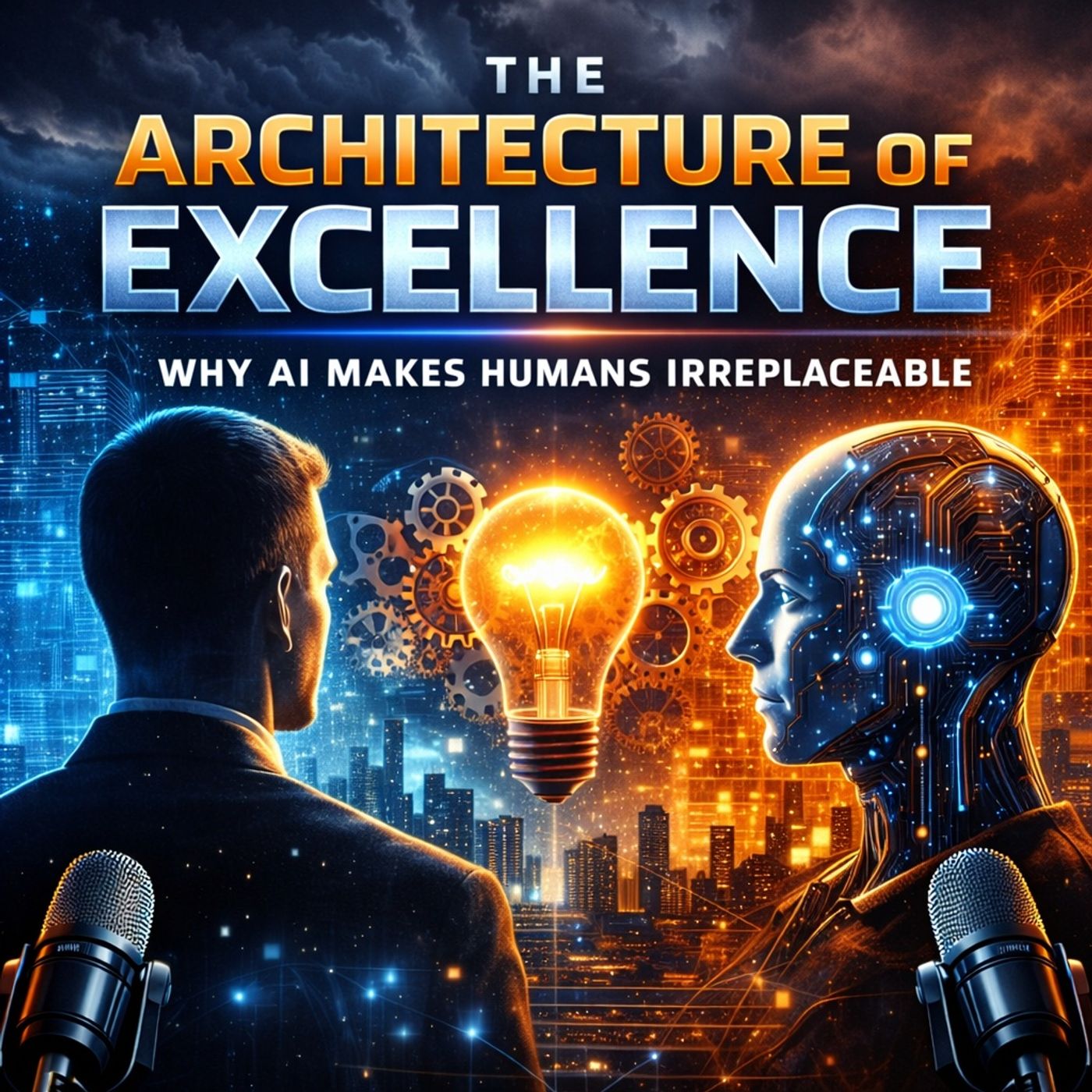
The rise of AI transforms the way we work, aligning with the Architecture of Excellence that emphasizes the importance of human contributions. This shift impacts your role and highlights why you remain essential in the workplace. As organizations embrace artificial intelligence, they increasingly rely on human skills like creativity and emotional intelligence.
Consider these statistics: 30% of office workers are now AI power users, spending less time working alone. In high-support environments, 94% of employees utilize AI tools. This trend emphasizes the need for human-centered skills and adaptability within the Architecture of Excellence. AI can enhance productivity, but it cannot replicate the unique qualities that make you irreplaceable.
Key Takeaways
- Human creativity remains unique and powerful, driven by emotions and personal experience, which AI cannot fully replicate.
- Emotional intelligence helps build strong relationships and resolve conflicts, making humans essential in teamwork and leadership.
- Critical thinking allows you to make better decisions by analyzing information carefully and considering context beyond data.
- Adapting to change and learning new skills continuously are vital to thrive in an AI-driven workplace.
- Using AI tools can boost your productivity by handling routine tasks, freeing you to focus on creative and strategic work.
- Successful work comes from combining human judgment with AI’s speed and data processing, creating a strong partnership.
- Building trust and transparency around AI use helps create a positive work culture and supports ethical decision-making.
- Your unique human qualities—creativity, empathy, and judgment—make you irreplaceable in the evolving world of work.
Human Creativity in the AI Era

Defining Creativity
Creativity is a complex and multifaceted concept. It involves the ability to generate new ideas, solve problems, and express oneself in unique ways. In the context of human capability, creativity often stems from personal experiences, emotions, and intuition. This contrasts with artificial intelligence, which relies on data-driven algorithms to produce outputs.
| Aspect | Human Creativity | AI Creativity |
|---|---|---|
| Process | Intuition, emotion, personal experience | Data-driven, algorithmic |
| Creativity Type | Pro-c or big-C creativity | Incremental and combinatorial creativity |
| Bias | Subjective biases from personal experience | Bias from training data |
| Collaboration Impact | Enhances creative outputs through synergy | Limited adaptability without human input |
The unique qualities of human creativity provide a significant creative advantage. For instance, human-generated content shows a 20-25% higher engagement rate compared to AI-generated material. This indicates that audiences respond more positively to the emotional resonance and cultural context embedded in human creativity.
Examples of Creative Problem Solving
Consider how you approach challenges in your work. When faced with a complex problem, you often draw on your experiences and emotions to find innovative solutions. For example, a marketing team might brainstorm ideas for a campaign. While AI can generate suggestions based on data, the team’s ability to infuse personal stories and cultural references into their concepts leads to more relatable and impactful messaging.
AI acts as a collaborative partner in the creative process. It enhances and simplifies tasks by generating preliminary concepts during the idea generation phase. You can then refine these ideas through collaboration, allowing your creativity to unfold in new ways. This human-machine cocreation model reshapes traditional creative processes, requiring you to understand AI's intentions and creative processes.
Case Studies of Innovation
Numerous case studies illustrate the balance between AI-generated content and human creativity. For instance, a recent study on creative writing found that AI-assisted writers showed a 10-11% increase in creativity for less creative individuals. However, more creative individuals did not benefit from AI assistance. This highlights that while AI can enhance certain aspects of creativity, it cannot replace the depth and originality that you bring to the table.
Another study focused on research ideation revealed that AI-generated ideas were deemed more exciting but less original over time compared to human-generated ideas. This demonstrates that while AI excels in combinatorial creativity, it lacks the emotional depth and radical novelty that characterize human creativity.
The Irreplaceable Human: Emotional Intelligence
Understanding Emotional Intelligence
Emotional intelligence (EI) plays a crucial role in how you interact with others in the workplace. It encompasses your ability to recognize, understand, and manage your emotions while also being aware of the emotions of those around you. This skill set is vital for building strong relationships and fostering a positive work environment.
Components of Emotional Intelligence
The core components of emotional intelligence include:
| Component | Description |
|---|---|
| Self-awareness | The ability to recognize and understand your own emotions and their impact on others. |
| Self-regulation | The capacity to manage and appropriately express emotions. |
| Social skills | The skill of effectively interacting and communicating with others. |
| Empathy | The ability to understand and share the feelings of others. |
| Motivation | Intrinsic motivation that drives you to pursue goals and objectives. |
These components work together to enhance your interactions and relationships at work. They help you navigate challenges and foster collaboration among team members.
Importance in Team Dynamics
Emotional intelligence significantly impacts team dynamics. When you possess high EI, you can communicate more effectively, resolve conflicts, and create a supportive atmosphere. Here are some key contributions of emotional intelligence to workplace performance:
- Communication: EI enhances your communication skills, fostering cohesive relationships within teams.
- Empathy: Understanding and managing emotions improves team well-being and morale.
- Conflict Resolution: Leaders with high EI can resolve conflicts more effectively, leading to a supportive work environment.
- Employee Retention: High EI correlates with increased employee engagement and retention, especially in high-pressure environments.
- Leadership Effectiveness: Leaders with high EI inspire and retain talent, driving organizational success.
AI's Limitations in Emotional Understanding
Despite AI's advancements, it struggles to grasp the nuances of human emotions. While AI can analyze data and recognize patterns, it lacks the depth of emotional understanding that you bring to interpersonal interactions.
Real-World Scenarios
Consider real-world examples that highlight the importance of empathy in professional environments:
- Lending a Compassionate Ear to a Frustrated Co-Worker: Understanding and compassion can help manage workplace emotions.
- Listening to Others Respectfully: Allowing individuals to express themselves fosters a respectful and productive environment.
- Being Flexible: Leaders who adapt to the needs of their team can retain talent and improve morale.
- Being Patient with Hurting Individuals in Healthcare: Empathy in healthcare leads to better patient interactions and care.
These scenarios illustrate how emotional intelligence enhances human connection and strengthens relationships in the workplace.
The Role of Empathy
Empathy is a cornerstone of emotional intelligence. It allows you to connect with others on a deeper level, fostering trust and collaboration. Research shows that AI lacks essential features of human social interaction, which impedes meaningful emotional feedback. For instance, studies indicate that AI collaboration can reduce social interaction among employees, affecting emotional exchanges.
In contrast, your ability to empathize enables you to respond better to stressful situations and create a supportive environment. This human connection is vital for maintaining healthy workplace relationships and ensuring team cohesion.
Critical Thinking and Decision Making
The Role of Critical Thinking
Critical thinking plays a vital role in decision-making processes, especially in complex situations. It allows you to analyze information systematically and make informed choices. Here are some key benefits of critical thinking:
- Improved Problem-Solving: You can identify root causes and develop effective solutions.
- Better Judgment: Enhanced ability to assess the validity of information and the reliability of sources.
- Enhanced Creativity: Encourages open-mindedness and exploration of diverse perspectives.
- Increased Confidence: Decisions based on evidence and reasoning boost your confidence.
- Reduced Bias: Helps you recognize and mitigate cognitive biases that cloud judgment.
When you engage in critical thinking, you follow a structured approach to decision-making. This includes:
- Clarifying the Problem: Define the problem or decision clearly.
- Gathering Information: Collect relevant data from credible sources.
- Analyzing Information: Break down information to understand implications.
- Generating Alternatives: Explore multiple options and solutions.
- Evaluating Alternatives: Assess the pros and cons of each option.
- Making a Decision: Choose the best option based on evaluation.
- Implementing the Decision: Execute the chosen solution.
- Reflecting on the Outcome: Evaluate results and learn from the process.
Examples in Leadership
In leadership roles, critical thinking is essential. Leaders often face complex human problems that require thoughtful analysis and strategic decision-making. For instance, a healthcare manager may need to decide on resource allocation during a crisis. By applying critical thinking, they can weigh the potential impacts of their decisions on patient care and staff morale.
Successful Decision Making
Successful decision-making hinges on your ability to integrate critical thinking with human judgment. In high-stakes environments, such as finance or healthcare, the consequences of decisions can be severe. Human judgment remains crucial in these contexts. A transparent AI decision-making process fosters trust and ensures ethical accountability. This approach enhances decision quality and stakeholder trust, demonstrating the essential role of human judgment.
AI's Support in Decision Making
AI can significantly assist in decision-making processes. It analyzes vast amounts of data quickly, providing insights that can inform your choices. However, AI systems have limitations compared to human reasoning.
| Area of Application | Evidence of AI Assistance | Limitations of AI Systems |
|---|---|---|
| Healthcare | Integrating human creativity and AI's analytical power leads to innovative solutions. | Communication barriers and trust issues can hinder collaboration. |
| Customer Service | AI enhances decision-making through speed and scalability. | Ethical concerns and the need for effective coordination are significant challenges. |
| Scientific Research | AI can improve decision-making in research contexts. | Performance may not exceed the best results from humans or AI alone. |
Data Analysis vs. Human Judgment
While AI excels at data analysis, it cannot replicate the nuanced understanding that you bring to decision-making. For example, AI can identify trends in customer behavior, but it lacks the ability to interpret the emotional context behind those trends. This is where your human judgment becomes invaluable.
Contextual Importance
Context plays a critical role in decision-making. AI may provide data-driven insights, but it cannot fully grasp the complexities of human emotions and social dynamics. Your ability to consider context allows you to make decisions that align with organizational values and cultural nuances. This balance between AI assistance and human judgment is essential for effective decision-making in the modern workplace.
The Future of Work: Adaptability and AI
As AI continues to reshape the workplace, adaptability becomes a crucial skill for you. The future of work demands that you embrace change and continuously learn. This section explores how you can prepare for this evolving landscape.
Continuous Learning
Skills for the Future
To thrive in an AI-driven environment, you need to develop essential skills. Here’s a table outlining the most in-demand skills for the future workforce:
| Skill Type | Description |
|---|---|
| Technical Expertise | Skills in programming and systems thinking are essential for managing interactions with AI. |
| Human-Centred Skills | Empathy and active listening are crucial for collaboration in a technology-driven environment. |
| Adaptability and Resilience | These skills are necessary to navigate the rapid changes brought by technological advancements. |
| Cybersecurity Skills | Increased demand due to rising cybersecurity concerns in a digital landscape. |
| Creative Thinking | Important for innovation and competitiveness in uncertain economic conditions. |
| Environmental Skills | Skills related to sustainability are becoming integral across various sectors. |
| Interpersonal Skills | Skills like empathy and active listening are vital for addressing the needs of an aging workforce. |
Examples of Adaptation
Continuous learning fosters adaptability. Here are some key benefits of engaging in adaptability training:
- It develops critical skills such as resilience, flexibility, and creative problem-solving.
- You become better equipped to navigate new challenges and innovations.
- Organizations that invest in adaptability training see improved performance and engagement.
For example, a global retailer reduced turnover by 20% after implementing adaptability sessions for e-commerce roles. This shows how adaptability training can lead to significant improvements in work environments.
Embracing AI Tools
Leveraging AI for Efficiency
AI tools can enhance your efficiency at work. They help you automate routine tasks and streamline processes. A recent study found that generative AI tools increased productivity by 66% for business users performing realistic tasks. This productivity boost is remarkable compared to historical growth rates.
| User Group | Productivity Increase |
|---|---|
| Support Agents | Handled 13.8% more customer inquiries per hour |
| Business Professionals | Wrote 59% more business documents per hour |
| Programmers | Completed 126% more coding projects per week |
Future Workforce Trends
As AI adoption increases, the workforce will undergo significant changes. Here are some trends to watch:
- By 2030, two-thirds of new workforce entrants will be in Sub-Saharan Africa, leading to a diverse talent pool.
- AI will reduce traditional junior roles, increasing demand for AI-augmented professionals.
- Routine tasks like data entry will increasingly be automated, shifting the focus to higher-level skills.
In this evolving landscape, your ability to adapt and leverage AI tools will be essential for success in the future of work.
Collaboration: AI and Humans Together
Synergy of Skills
When you work alongside AI, you create a powerful partnership. Your creativity, critical thinking, and understanding of context combine with AI’s speed, precision, and ability to process large amounts of data. This synergy helps you solve complex problems more effectively. AI handles repetitive tasks like data input and validation, freeing you to focus on strategic decisions and building relationships. You interpret AI’s insights and apply judgment to make informed choices. This balance ensures that AI supports your work without replacing your unique skills.
Successful collaborations between humans and AI lead to significant productivity gains. Organizations that adopt AI see nearly five times higher labor productivity growth than those that do not. AI’s rapid data analysis can inspire your innovation by suggesting ideas you might not have considered. Meanwhile, your judgment acts as a safety net to catch errors or unusual situations. This partnership improves the quality and trustworthiness of outcomes, making your role essential in the architecture of excellence.
Successful Collaborations
Many businesses report that combining human and AI skills creates a culture of innovation and efficiency. For example, AI can generate data-driven reports quickly, while you add context and strategic insight. This teamwork leads to faster problem-solving and better decisions. You also maintain ethical oversight, ensuring AI works responsibly. This collaboration empowers you and your team to reach new levels of performance.
Enhanced Productivity
AI boosts your productivity by automating routine tasks. You spend less time on manual work and more time on high-value activities. This shift allows you to focus on creativity, leadership, and complex problem-solving. Studies show that hybrid human-AI systems increase innovation and streamline workflows. As a result, you can deliver better results faster, helping your organization stay competitive in the future.
Redefining Work Culture
AI changes how you and your colleagues communicate and collaborate. It promotes agility, continuous learning, and innovation. At the same time, AI challenges existing cultural norms. Trust and transparency become more important than ever. When organizations use AI openly and fairly, they build stronger workplace cultures. For example, some companies use AI to identify employees at risk of burnout and offer personalized support. This approach improves well-being and reduces turnover.
New Collaboration Norms
To succeed with AI, you need new teamwork rules. Clear accountability helps ensure that humans remain responsible for decisions. You must make AI’s contributions visible and understandable to everyone. This openness builds trust and encourages healthy debate. Organizations also redesign workflows to blend human and AI strengths effectively. These new norms create a culture where AI enhances human collaboration rather than replacing it.
Preparing for Future Challenges
The future of work demands that you prepare for ongoing AI advancements. Organizations recommend several strategies to help you adapt:
| Strategy | Description |
|---|---|
| Strengthen culture and trust | Build a culture that embraces AI and fosters employee trust. |
| Align technology and talent strategies | Match AI initiatives with workforce development plans. |
| Invest in human-AI collaboration | Train workers to work effectively alongside AI tools. |
You can also expect more on-the-job training and real-time coaching through AI. These efforts help you gain confidence and improve your skills. By embracing these changes, you will stay relevant and thrive in the future work environment.
Remember, AI is a tool that amplifies your abilities. You remain the decision-maker, the creative force, and the ethical guide. Together, you and AI build the architecture of excellence that drives success in the modern workplace.
In this blog, you explored how AI transforms the workplace while emphasizing the importance of human qualities. Key takeaways include:
- Human creativity, critical judgment, and empathetic care remain resilient against automation.
- White-collar roles face greater risks than blue-collar jobs, challenging traditional career assumptions.
- AI-human hybrid models should enhance human capabilities rather than replace them.
As you adapt to the evolving landscape, embrace your unique qualities. Foster collaboration with AI, invest in continuous learning, and prioritize empathy and ethical decision-making. Remember, the architecture of excellence relies on your human touch in the world of work.
FAQ
What is the main role of AI in the workplace?
AI enhances productivity by automating routine tasks. It allows you to focus on strategic decisions and creative problem-solving, making your work more efficient.
How does emotional intelligence impact teamwork?
Emotional intelligence fosters better communication and collaboration. It helps you understand and manage emotions, leading to stronger relationships and a positive work environment.
Can AI replace human creativity?
No, AI cannot replicate the depth of human creativity. While it can assist in generating ideas, your unique experiences and emotions drive true innovation.
What skills should I develop for the future?
Focus on technical expertise, adaptability, and human-centered skills like empathy. These skills will help you thrive in an AI-driven workplace.
How can I effectively collaborate with AI?
Leverage AI tools to automate tasks while applying your judgment and creativity. This partnership enhances productivity and allows you to focus on high-value activities.
Why is critical thinking important in decision-making?
Critical thinking enables you to analyze information and make informed choices. It helps you assess situations and develop effective solutions in complex environments.
What are the benefits of continuous learning?
Continuous learning keeps you adaptable and relevant. It equips you with new skills and knowledge, allowing you to navigate changes in the workplace effectively.
How does AI influence workplace culture?
AI promotes agility and innovation but also challenges existing norms. Organizations must build trust and transparency to create a positive culture around AI integration.
🎧 Listen to this episode
Want a practical explanation of AI Collaboration Framework for Human Judgment with Copilot? This episode breaks down the topic in clear language and shows why it matters for Microsoft 365, Azure, Power Platform, security, AI, and modern work.
Listen to this episode if you want to:
- Understand the key concepts behind AI Collaboration Framework for Human Judgment with Copilot
- See how it fits into the wider Microsoft technology ecosystem
- Learn where it can create practical value for your organization
You may also enjoy these related M365 FM episodes:
- Stop Outsourcing Human Judgment to Microsoft Copilot
- Microsoft 365 Copilot Agents: Real Business Value with Steve Corey [MVP]
- Copilot for Dynamics 365 Finance and Operations - Simply Explained
- Zero Trust AI Security with Microsoft Copilot and Azure – Mourtaza Fazlehoussen [MVP]
- Copilot in Microsoft Entra ID - Simply Explained
Discover more practical Microsoft conversations on M365 FM.
Apple Podcasts · Spotify · YouTube · YouTube Music
Host: Mirko Peters