 EN
 Deutsch
 Español
 Français
 Italiano
 Português
 Nederlands
 Polski
 Bahasa Indonesia
 Русский
 Українська
 العربية
 עברית
 हिन्दी
 日本語
 한국어
2026-03-01
Azure Governance Architecture to Control Cost, Security, and Compliance

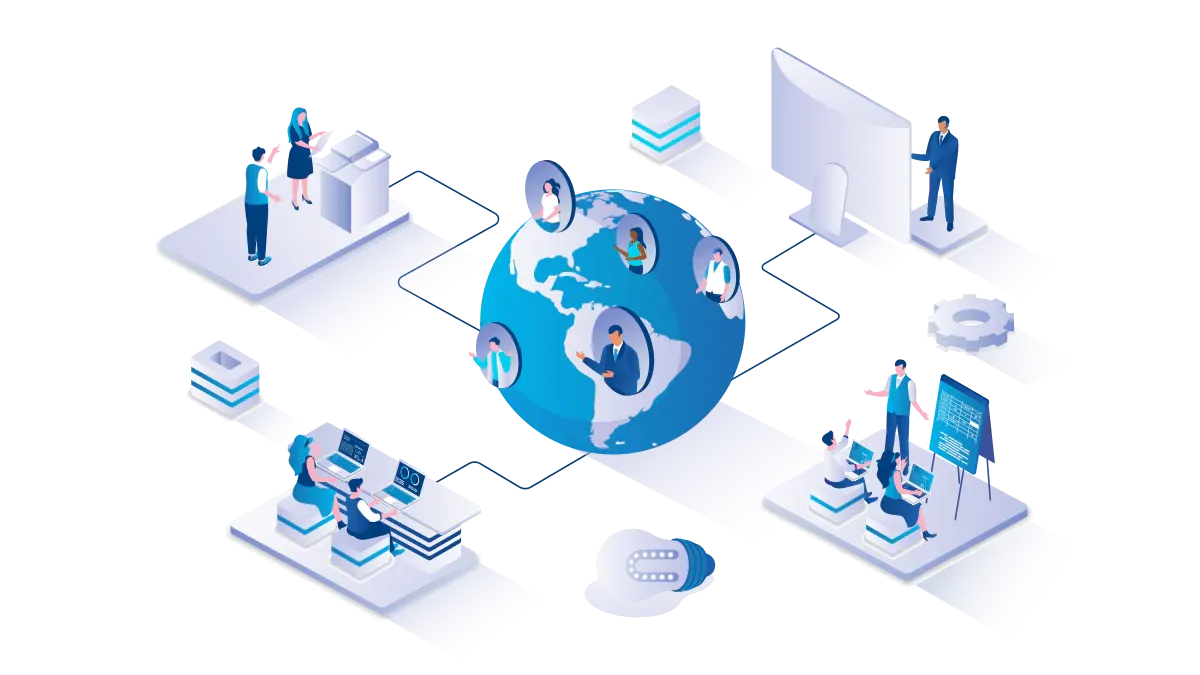
In 2026, mastering governance architecture will become the essential Azure skill for professionals like you. This skill not only enhances your ability to ensure security and compliance but also allows you to build scalable cloud environments. By architecting against erosion, you can effectively prevent the risks associated with cloud management.
Implementing strategic controls, such as enabling least-privilege IAM policies and using automated governance, will significantly reduce incidents of cloud erosion. As environments grow, these measures help maintain oversight and adapt to changes in your Azure landscape.
Key Takeaways
- Master governance architecture to secure your Azure environment and prevent erosion.
- Implement least-privilege IAM policies to reduce security risks and unauthorized access.
- Use automated governance tools to maintain compliance and oversight in your cloud environment.
- Understand the common causes of cloud erosion to proactively address potential vulnerabilities.
- Adopt a policy-as-code approach to ensure consistent governance and compliance across resources.
- Regularly review and audit access rights to prevent over-privileged accounts and enhance security.
- Leverage AI-driven solutions to automate compliance checks and improve governance efficiency.
- Stay updated on Azure governance trends to remain competitive in the evolving job market.
The Azure Skill That Prevents Erosion

Why Governance Architecture Matters
Governance architecture plays a crucial role in maintaining the integrity of your Azure environment. As cloud services expand, the risk of operational entropy increases. This entropy refers to the gradual decline in the effectiveness of your cloud governance, leading to misconfigurations and security vulnerabilities. By implementing a robust governance architecture, you can proactively address these issues before they escalate.
Consider the following common causes of cloud erosion in Azure environments:
| Cause of Cloud Erosion | Description |
|---|---|
| Misconfigurations and exposed cloud services | Misconfigurations are the leading cause of cloud breaches, often due to frequent changes in cloud environments. Exposed services can leak sensitive data. |
| Identity and access management failures | Compromised credentials and over-privileged accounts are primary targets for attackers, allowing unauthorized access to sensitive data. |
| Cloud API exploitation and API abuse | Weak authentication and flaws in APIs can lead to unauthorized access and data scraping. |
| DDoS and application-layer attacks | DDoS attacks have evolved to target application layers, degrading performance without causing downtime. |
| Cloud supply chain compromise | Attackers target third-party components to insert malicious code, affecting production workloads. |
| Shadow IT and unsanctioned SaaS usage | Employees often use unsanctioned tools, creating security blind spots and bypassing compliance measures. |
| Advanced persistent threats (APTs) | APTs target cloud identities and management consoles for long-term access and data exfiltration. |
| Insecure workload isolation | Weak isolation between containers can allow attackers to access other services or data. |
| Ransomware targeting cloud backups | Ransomware can encrypt cloud data and target backup systems, complicating recovery efforts. |
| Cost-exhaustion attacks | Adversaries can trigger excessive scaling to drive up costs, impacting financial operations. |
By understanding these risks, you can design governance frameworks that mitigate them effectively. Guardrails are essential in this process. They act as non-negotiable, enforced, automated rules that stop misconfigurations before they ever hit production. This proactive approach transforms governance from reactive firefighting into a strategic, automated control mechanism.
From Service Mastery to Governance Skill
The shift from service mastery to governance skills reflects the evolving demands of the Azure job market. Knowing Azure services is becoming replaceable, while building governance systems is rare and highly valuable. Organizations now prioritize professionals who can architect governance frameworks that prevent erosion at scale.
Here are some trends indicating this shift:
- The increasing emphasis on compliance, security, and cost management in Azure job roles indicates a shift towards governance skills.
- Roles now require knowledge of regulatory requirements and identity management, moving away from pure service mastery.
- Certifications like AZ-104 and AZ-305 focus on governance, resource optimization, and strategic thinking, reflecting the evolving job market.
As you develop your skills, remember that governance architecture is not just a trend; it is a necessity. The skill that compounds, the one that gets more valuable every year instead of less, is the ability to architect governance frameworks that scale. Organizations are desperate for people who can design governance that works, not governance that creates the illusion of control without preventing erosion.
Understanding Cloud Erosion
What Is Cloud Erosion?
Cloud erosion refers to the gradual drift between the intended state of your Azure architecture and its actual state. This phenomenon occurs when policies and configurations that govern your cloud environment become misaligned over time. Factors contributing to cloud erosion include policy exceptions, manual overrides, and over-privileged identities. These elements create gaps in governance, leading to potential vulnerabilities.
To better understand cloud erosion, consider the following aspects:
| Aspect | Description |
|---|---|
| Definition | Cloud erosion is the slow drift between the intended state and the actual state of cloud architecture. |
| Contributing Factors | Policy exceptions, manual overrides, over-privileged identities, cost drift, AI retry loops, tagging inconsistency, compliance blind spots. |
| Target Metrics | Policy compliance >95%, Drift <5%, Remediation <24 hours. |
Risks of Erosion in Azure Cloud
Cloud erosion poses significant risks to your Azure environment. As erosion progresses, it can lead to various security, compliance, and cost challenges. Here are some of the most pressing risks associated with cloud erosion:
- Cloud Dependency Risks: Small and medium businesses often lack the resources for multi-cloud strategies, making them vulnerable to provider outages.
- Configuration Errors: These can lead to widespread failures affecting all edge locations, complicating recovery efforts.
- Market Concentration Risks: The reliance on a few major providers creates systemic risks, where failures can impact many businesses simultaneously.
Moreover, governance erosion can result in compliance failures that expose your organization to fines and damage client trust. Common compliance failures include:
- Email authentication failures
- Data exfiltration
- Identity management deficiencies
- Ineffective access controls
As you can see, understanding cloud erosion is vital for maintaining a secure and compliant Azure environment. By recognizing the risks and implementing effective governance strategies, you can mitigate the impact of erosion and protect your organization from potential threats.
Architectural Control Layers in Azure
Azure governance architecture relies on three primary control layers. These layers work together to prevent cloud erosion and keep your environment secure, compliant, and efficient. Understanding these layers helps you build strong governance systems that scale with your organization.
| Layer | Description |
|---|---|
| Identity & Access Control | Enforces least-privilege defaults, just-in-time elevation, and scoped permissions to prevent privilege sprawl. |
| Policy & Compliance Controls | Acts as the enforcement engine using audit and deny modes, plus policy-as-code in Git to ensure compliance. |
| Operational Enforcement via Automation | Automates governance by integrating policy checks and compliance validation into CI/CD pipelines to catch issues early. |
Identity & Access Control
Identity and access control form the foundation of your Azure governance. This layer ensures that only authorized users and services can access resources. By applying least-privilege principles, you reduce the risk of over-permissioned accounts that attackers often exploit.
By 2026, organizations with strong identity-first security programs will see 50% fewer identity-related breaches. Since over 70% of cloud breaches stem from compromised identities, focusing on identity control is critical.
Identity Management Best Practices
You should manage identities carefully to avoid common pitfalls. Avoid broad permissions and regularly review access rights. Use multi-factor authentication and just-in-time access to limit exposure. Protect key and certificate repositories to maintain encryption and identity assurances. Without these controls, attackers can exploit weaknesses like replay attacks or impersonation.
Role-Based Access Control
Role-Based Access Control (RBAC) helps you assign permissions based on roles rather than individuals. This approach simplifies management and reduces errors. However, misconfigured RBAC or overly broad roles can lead to unauthorized access. Regular audits and scoped permissions help maintain tight control and prevent erosion caused by privilege sprawl.
Policy & Compliance Controls
Policy and compliance controls act as your governance engine. They enforce rules that keep your Azure cloud environment aligned with organizational and regulatory standards. Using policy-as-code frameworks, you can define, deploy, and monitor policies consistently.
Policy-as-Code Frameworks
Policy as code lets you write governance rules in code and store them in version control systems like Git. This method improves standardization and visibility across your cloud resources. It also automates resource lifecycle management and reduces manual audit efforts.
| Measurable Outcome | Description |
|---|---|
| Improved Standardization | Consistent policy application across all cloud resources. |
| Continuous Compliance Automation | Automated checks reduce manual audits and ensure ongoing adherence. |
| Minimized Security Gaps | Addresses misconfigurations and strengthens security posture. |
| Accurate Financial Accountability | Tracks cloud resource costs precisely, helping avoid budget surprises. |
Compliance Enforcement
You can meet regulatory requirements such as HIPAA, GDPR, and PCI DSS by defining clear policy requirements and assigning policies accordingly. Regularly monitor compliance dashboards and automate remediation tasks to keep your environment within standards. This approach prevents costly compliance failures and protects your organization’s reputation.
Automation Enforcement
Automation enforcement integrates governance into your operational workflows. It ensures policies and compliance checks happen continuously and automatically, reducing human error and speeding up issue resolution.
Automation Tools
Use Azure Policy and other automation tools to enforce governance rules across management groups, subscriptions, and resource groups. Automating these controls helps you maintain compliance at scale and prevents erosion caused by manual oversight.
| Policy Scope | Application |
|---|---|
| Management group | Apply policies across multiple subscriptions. |
| Subscription | Apply policies to all resources in one subscription. |
| Resource group | Target specific resources grouped by project. |
Continuous Monitoring
Continuous monitoring provides visibility into your governance effectiveness. It tracks compliance status, triggers alerts for violations, and initiates automated remediation. Dashboards consolidate this information, helping you respond quickly to risks and maintain alignment with governance policies.
Monitoring helps reduce noncompliance close to zero by driving iterative improvements. It also supports automation enforcement by ensuring governance policies remain effective over time.
By mastering these architectural control layers in Azure, you build a resilient governance architecture. This skill protects your cloud environment from erosion, secures identities, enforces policies, and automates compliance — all essential for success in 2026 and beyond.
Governance Blueprints for Azure

Governance blueprints are essential for maintaining a secure and compliant Azure environment. They provide a structured approach to implementing governance controls and preventing erosion. Two key components of these blueprints are landing zones and drift detection strategies.
Landing Zones Design
Landing zones serve as foundational frameworks for deploying Azure resources. They help you establish consistent security configurations through standardized baselines. By implementing landing zones, you can ensure that your governance architecture aligns with organizational policies.
Governance Encoding
When you design landing zones, you should encode governance intent from the start. This means defining policies and configurations that reflect your organization's security and compliance requirements. Using a 'policy overlay' in audit mode allows you to assess the impact of policies before enforcing them. This approach helps you avoid disruptions while ensuring compliance with governance standards.
Deployment Control
Deployment control is crucial for maintaining consistency across your Azure environment. Azure Blueprints package predefined resource templates and policies, simplifying the deployment of governed environments. Key artifacts include role assignments, policy assignments, and ARM templates. These elements ensure that configurations remain consistent across subscriptions, which is vital for large or regulated organizations.
Drift Detection Strategies
Drift detection strategies are critical for identifying and addressing configuration drift in your Azure environment. Without governance blueprints, configuration drift can occur frequently due to manual changes and external automation. This drift can lead to security and compliance risks.
Detection Tools
Utilizing effective detection tools is essential for monitoring drift. Tools like Firefly generate Infrastructure as Code (IaC) for unmanaged resources, preventing unnoticed drift. They also evaluate drift against compliance checks, turning technical mismatches into prioritized compliance issues. This continuous monitoring provides a comprehensive view of all resources, allowing you to track improvements in compliance and operational hygiene over time.
Remediation Processes
Once drift is detected, you need robust remediation processes. Automating remediation through GitOps ensures that IaC remains the single source of truth. This method generates pull requests in version control systems, creating an auditable history of changes. By implementing these processes, you can maintain compliance and prevent erosion effectively.
AI’s Role in Azure Governance
AI Risks in Cloud Governance
Artificial intelligence (AI) introduces both opportunities and risks in Azure governance. As you integrate AI into your cloud environment, you must be aware of potential vulnerabilities. Here are some primary risks associated with implementing AI in Azure governance:
| Risk Type | Description |
|---|---|
| Data Leakage | Unauthorized access to sensitive information can lead to potential data breaches. |
| Data Poisoning | Manipulation of training data may result in AI making incorrect decisions. |
| Jailbreak Attempts | Attempts to bypass security measures can allow malicious actions by AI agents. |
| Credential Theft | Theft of authentication credentials can compromise the security of AI systems. |
Understanding these risks is crucial for maintaining a secure Azure environment. You need to implement strategies that mitigate these threats effectively.
AI-Driven Governance Solutions
AI can enhance your Azure governance frameworks significantly. By leveraging AI, you can automate processes and improve compliance. Here are some ways AI contributes to effective governance:
- Create and maintain an AI agent inventory to enforce access controls and monitor compliance.
- Enforce model restrictions using Azure Policy to control which AI models are utilized.
- Implement AI risk detection processes to assess risks before deployment.
- Apply content safety controls to prevent harmful content generation.
- Use model grounding techniques to ensure accurate and relevant AI outputs.
These solutions help you maintain continuous compliance and reduce the risk of erosion in your cloud environment. By integrating AI into your governance strategy, you can automate auditing and logging processes. This automation allows for real-time validation of configurations and policies, ensuring that your Azure environment remains secure and compliant.
Moreover, AI-driven tools can assist in drift detection. They can identify when configurations deviate from established policies, enabling you to take corrective action swiftly. This proactive approach helps you maintain governance standards and prevents potential security breaches.
As you explore AI's role in Azure governance, consider successful case studies. For instance, companies like Levi Strauss and Co. use Azure AI for design simulations, enhancing product development. Similarly, Siemens integrates Azure AI with automation for improved predictive maintenance. These examples illustrate how AI can streamline governance processes and drive efficiency.
In 2026, mastering governance architecture will be the top Azure skill you need. This skill protects your cloud environment from security, compliance, and cost risks. By architecting against erosion, you ensure that your organization remains resilient in a rapidly changing landscape.
Neglecting governance can lead to compliance challenges, security risks, and operational inefficiencies. These issues can threaten your organization's long-term viability. Embrace governance skills now to future-proof your Azure career. Modernizing legacy applications and leveraging AI-driven models will enhance your analytical capabilities. This proactive approach will help you adapt to industry demands and secure your place in the evolving cloud landscape.
FAQ
What is governance architecture in Azure?
Governance architecture in Azure refers to the framework that ensures your cloud environment remains secure, compliant, and efficient. It involves implementing policies, controls, and best practices to manage resources effectively.
Why is cloud erosion a concern?
Cloud erosion occurs when the actual state of your Azure environment diverges from its intended state. This drift can lead to security vulnerabilities, compliance failures, and increased costs, making it crucial to address.
How can I prevent cloud erosion?
You can prevent cloud erosion by implementing robust governance frameworks. Focus on identity and access control, policy compliance, and automation to maintain alignment between your intended and actual cloud states.
What are landing zones?
Landing zones are foundational frameworks for deploying Azure resources. They help establish consistent security configurations and governance practices, ensuring that your cloud environment aligns with organizational policies from the start.
How does AI impact Azure governance?
AI can enhance Azure governance by automating processes and improving compliance. However, it also introduces risks, such as data leakage and credential theft, which you must manage effectively.
What tools can help with drift detection?
Tools like Azure Policy and Firefly assist in detecting configuration drift. They monitor your resources and ensure compliance with established policies, helping you maintain governance standards.
Why should I focus on governance skills?
Focusing on governance skills positions you as a valuable asset in the Azure job market. Organizations prioritize professionals who can architect effective governance frameworks to prevent erosion and ensure compliance.
How can I stay updated on Azure governance trends?
You can stay updated by following Azure blogs, attending webinars, and participating in online communities. Engaging with industry experts and peers will help you learn about the latest governance practices and tools.
🎧 Listen to this episode
Want a practical explanation of Azure Governance Architecture to Control Cost, Security, and Compliance? This episode breaks down the topic in clear language and shows why it matters for Microsoft 365, Azure, Power Platform, security, AI, and modern work.
Listen to this episode if you want to:
- Understand the key concepts behind Azure Governance Architecture to Control Cost, Security, and Compliance
- See how it fits into the wider Microsoft technology ecosystem
- Learn where it can create practical value for your organization
You may also enjoy these related M365 FM episodes:
- Real-Time Azure Cost Control with Azure Policy
- Build a Self-Healing Microsoft 365 Governance Architecture
- Cloud Governance as Architecture, Not Feature Management
- Leadership and Microsoft 365 Governance Beyond Central Control
- 7 Microsoft 365 Architecture Mistakes That Cost Millions
Discover more practical Microsoft conversations on M365 FM.
Apple Podcasts · Spotify · YouTube · YouTube Music
Host: Mirko Peters