 EN
 Deutsch
 Español
 Français
 Italiano
 Português
 Nederlands
 Polski
 Bahasa Indonesia
 Русский
 Українська
 العربية
 עברית
 हिन्दी
 日本語
 한국어
2026-01-14
Public vs Hybrid vs Multi-Cloud Azure Architecture
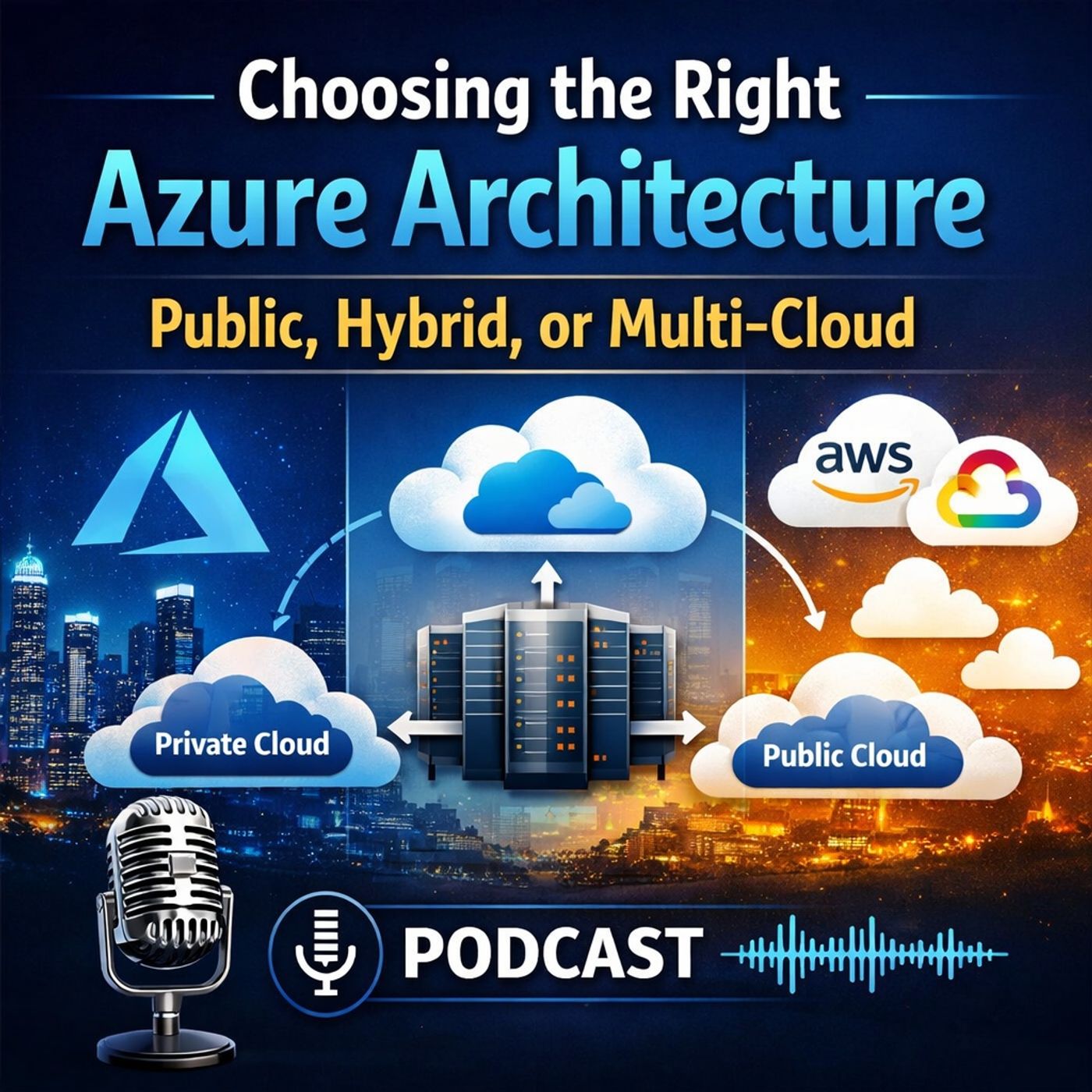
In the rapidly evolving digital landscape, your choice of cloud architecture can significantly impact your organization's success. Recent statistics show that 66% of enterprises adopt public cloud solutions, while hybrid and multi-cloud architectures are projected to reach 80% adoption by 2027. This shift reflects a growing recognition of the need for agility and innovation in business operations.
Organizations modernizing with Azure experience a 78% improvement in speed for executing changes, empowering them to respond swiftly to market demands.
Understanding the right Azure architecture for your needs is essential for leveraging these benefits effectively.
Key Takeaways
- Understanding Azure architecture is crucial for leveraging cloud benefits effectively.
- Public cloud offers cost savings and scalability, making it ideal for many businesses.
- Hybrid cloud combines public and private elements, enhancing flexibility and security.
- Multi-cloud strategies prevent vendor lock-in and optimize performance across providers.
- Aligning cloud architecture with business goals improves agility and operational efficiency.
- Utilize Azure tools like Cost Management and Advisor for better resource optimization.
- Security measures, such as multi-factor authentication and encryption, are essential in cloud environments.
- Regularly evaluate your cloud strategy to ensure it meets evolving business needs.
Azure Architecture Overview
Definition and Significance
Azure architecture refers to the structured framework that defines how various cloud services and resources interact within the Microsoft Azure ecosystem. This architecture encompasses several key components that work together to deliver a cohesive cloud experience. Understanding these components is crucial for leveraging Azure effectively.
Here’s a breakdown of the essential components of Azure architecture:
| Component | Description |
|---|---|
| Azure Regions | A set of data centers within a latency-defined perimeter, providing flexibility for application deployment and ensuring data residency and compliance. |
| Availability Zones | Physically separate locations within a region, designed to protect applications and data from data center failures through independent infrastructure. |
| Azure Resource Manager | The management service for Azure that allows for consistent resource management through various interfaces, handling all requests to manage resources. |
| Resource Groups | A logical container for related resources in Azure, essential for deploying any resource. |
| Management Groups | A higher-level organizational structure for managing multiple subscriptions, allowing governance conditions to be applied at the group level, which are inherited by all subscriptions within the group. |
The significance of Azure architecture lies in its ability to support digital transformation initiatives. The Azure Cloud Adoption Framework (CAF) guides organizations through cloud adoption, ensuring that technology aligns with business outcomes. Over 45% of organizations run significant workloads on Azure, showcasing its widespread adoption and trust among enterprises.
Importance of Aligning Architecture with Business Goals
Aligning your Azure architecture with business goals is vital for achieving optimal performance and cost efficiency. A well-structured cloud architecture allows you to tailor your infrastructure to meet specific operational needs. Here are some key benefits of this alignment:
- Enhanced Flexibility: Custom cloud architecture enables you to design infrastructure that optimizes various workloads.
- Strategic Alignment: Tailored solutions ensure your IT infrastructure aligns with operational strategies, improving performance and reducing costs.
- Business Agility: Customization allows for rapid deployment of new services in response to market demands.
To further illustrate this point, consider how a healthcare provider can implement a custom cloud solution on Azure to ensure compliance with HIPAA. By enforcing encryption standards and data retention policies, the provider aligns with regulatory requirements while maintaining performance.
In addition, tools like Azure Cost Management help identify under-utilized resources, while Azure Advisor provides insights on performance and cost optimization. These resources empower you to make informed decisions that align with your business objectives.
Public Cloud Architecture

Definition and Benefits
Public cloud architecture refers to cloud services offered over the internet by third-party providers, such as Microsoft Azure. This model allows you to access computing resources, storage, and applications without the need for on-premises infrastructure. The benefits of public cloud architecture are numerous, making it an attractive option for businesses of all sizes.
Some key benefits include:
- Cost Reduction: You can eliminate large upfront investments by adopting a subscription-based payment model.
- Scalability: Public cloud services allow you to adjust IT resources based on demand without major infrastructure changes.
- Enhanced Collaboration: Employees can work from anywhere, facilitating real-time communication and project management.
- Improved Data Security: Advanced security protocols and regular audits protect sensitive information.
- Disaster Recovery: Automatic backups and recovery solutions ensure data protection and business continuity.
Pros of Public Cloud
Cost-Effectiveness
One of the most significant advantages of public cloud architecture is its cost-effectiveness. By reducing the total cost of ownership by up to 40%, you can allocate resources more efficiently. This model allows you to pay only for what you use, which is particularly beneficial for small and medium-sized businesses.
Scalability
Public cloud services offer high scalability, enabling you to scale your resources up or down based on your needs. According to cloud adoption surveys, 62% of organizations migrate workloads to the public cloud for flexibility and scalability. This adaptability allows you to respond quickly to changing market demands without the constraints of traditional infrastructure.
Cons of Public Cloud
Security Concerns
While public cloud architecture offers many benefits, it also presents security challenges. Common concerns include:
- Data breaches
- Account hijacking
- Insecure APIs
- Denial of service attacks
- Insider threats
These issues highlight the importance of implementing robust cloud security measures to protect your data.
Compliance Issues
Compliance can be another hurdle when using public cloud services. Organizations often face challenges such as:
- Lack of qualified staff for critical cloud security roles
- Complex audits due to limited access to underlying infrastructure
- Rapidly evolving regulatory requirements
These factors can complicate your ability to maintain compliance in a public cloud environment.
Use Cases for Public Cloud
Public cloud architecture serves various purposes across different industries. Understanding these use cases can help you determine how to leverage the public cloud effectively for your organization. Here are some common scenarios where public cloud solutions shine:
| Use Case | Description |
|---|---|
| Infrastructure as a Service (IaaS) | Provides virtualized computing resources over the internet, allowing you to scale as needed. |
| Platform as a Service (PaaS) | Offers a platform that enables you to develop, run, and manage applications without the complexity of building and maintaining the infrastructure. |
| Software as a Service (SaaS) | Delivers software applications over the internet on a subscription basis, reducing the need for installation and maintenance. |
| Hybrid Cloud | Combines public and private clouds, enabling data and applications to be shared between them for flexibility and optimization. |
| Multicloud | Utilizes multiple cloud services from different providers to avoid vendor lock-in and enhance resilience. |
| Test and Development | Facilitates rapid setup of development and testing environments, allowing for quick iterations and deployments. |
| Big Data Analytics | Leverages cloud computing power to analyze large datasets for insights and improved decision-making. |
| Cloud Storage | Provides scalable storage solutions accessible from any device with internet connectivity. |
| Disaster Recovery and Data Backup | Offers cost-effective solutions for data recovery and backup, ensuring business continuity in case of failures. |
These use cases illustrate the versatility of public cloud architecture. For instance, if you run a startup, you might find IaaS particularly beneficial. It allows you to access computing resources without heavy upfront investments. As your business grows, you can easily scale your infrastructure to meet increasing demands.
If you are in software development, PaaS can streamline your workflow. It provides the tools you need to build applications without worrying about the underlying infrastructure. This allows you to focus on innovation rather than maintenance.
Moreover, public cloud solutions are ideal for data analytics. You can harness the power of big data to gain insights that drive your business decisions. With cloud storage, you can store vast amounts of data securely and access it from anywhere.
Hybrid Cloud Architecture

Definition and Advantages
Hybrid cloud architecture integrates both public and private cloud elements, allowing you to manage data and applications across various environments. This model enables you to consolidate IT resources, scale rapidly, and move workloads seamlessly between environments. By leveraging both public and private clouds, you can store sensitive data securely while utilizing public clouds for scalability and cost-effectiveness. This flexibility makes hybrid cloud architecture a compelling choice for organizations looking to modernize legacy applications and manage workloads efficiently.
Pros of Hybrid Cloud
Flexibility
One of the standout advantages of hybrid cloud architecture is its flexibility. You can handle demand surges without making heavy upfront investments in infrastructure. This adaptability allows you to optimize existing resources while leveraging public cloud capabilities for new applications and fluctuating workloads. According to recent case studies, businesses benefit from this flexibility, enabling them to respond quickly to changing market conditions.
Enhanced Security
Hybrid cloud architecture also enhances security, particularly for regulated industries. By keeping sensitive data in private clouds, you can ensure compliance with residency and audit requirements. This approach allows you to deploy less sensitive workloads on public clouds, balancing security with operational efficiency. The hybrid model supports strict regulatory requirements, making it an ideal solution for organizations that prioritize data protection.
Cons of Hybrid Cloud
Complexity
While hybrid cloud architecture offers numerous benefits, it also introduces complexity. Managing a hybrid environment can be challenging, as you need to ensure that your public and private cloud components work together seamlessly. This complexity can lead to increased management overhead and potential integration issues.
Management Challenges
In addition to complexity, hybrid cloud architecture presents management challenges. Utilizing multiple cloud environments can increase the risk of security breaches and data loss, especially when transferring data between different environments. You must carefully manage your cloud resources to avoid overspending, as costs can escalate if not monitored closely.
Summary
In summary, hybrid cloud architecture provides a flexible and secure solution for organizations looking to optimize their IT resources. However, it also requires careful management to navigate the complexities and challenges that come with integrating multiple cloud environments.
Use Cases for Hybrid Cloud
Hybrid cloud architecture offers versatile solutions across various industries. By combining public and private cloud elements, you can address specific business needs effectively. Here are some prominent use cases for hybrid cloud:
-
Healthcare: In the healthcare sector, hybrid cloud improves agility by addressing rising costs and regulatory complexities. You can store sensitive patient data in a private cloud while utilizing public cloud resources for analytics and application development. Cloud providers often employ regulatory experts to ensure compliance with laws like HIPAA and the Affordable Care Act (ACA). This approach allows you to innovate while maintaining strict adherence to regulations.
-
Finance: Financial institutions benefit significantly from hybrid cloud architecture. It helps them navigate complex regulations while maintaining innovation and operational efficiency. By combining on-premises systems with cloud solutions, you can create a flexible, secure, and scalable data management environment. This setup allows for real-time data processing and analytics, which are crucial for making informed financial decisions.
-
Retail: In retail, hybrid cloud enables you to manage seasonal demand fluctuations effectively. You can leverage public cloud resources during peak shopping seasons while keeping core operations on a private cloud. This flexibility allows you to scale resources up or down based on demand, ensuring a seamless shopping experience for customers.
-
Education: Educational institutions can utilize hybrid cloud to enhance learning experiences. By storing sensitive student data in a private cloud, you can ensure compliance with privacy regulations. Meanwhile, public cloud resources can support online learning platforms and collaborative tools, providing students and educators with the necessary resources to thrive.
-
Manufacturing: In the manufacturing sector, hybrid cloud supports IoT applications and data analytics. You can collect data from connected devices in real-time and store it securely in a private cloud. Public cloud resources can then be used for advanced analytics, helping you optimize production processes and reduce downtime.
These use cases illustrate the versatility of hybrid cloud architecture. By leveraging its strengths, you can tailor your cloud strategy to meet your organization's unique needs while ensuring compliance, security, and operational efficiency.
Multi-Cloud Architecture
Definition and Benefits
Multi-cloud architecture involves using services from two or more public cloud providers. This strategy allows you to select the best tools for specific tasks, enhancing your operational flexibility. The core benefits of adopting a multi-cloud approach include avoiding vendor lock-in, leveraging best-of-breed services, and enhancing your competitive advantage through specialized capabilities.
| Definition of Multi-Cloud Architecture | Core Benefits |
|---|---|
| A strategy that involves using services from two or more public cloud providers, allowing organizations to select the best tools for specific tasks. | Avoiding vendor lock-in, leveraging best-of-breed services, enhancing competitive advantage through specialized capabilities. |
Pros of Multi-Cloud
Avoiding Vendor Lock-In
One of the most significant advantages of multi-cloud architecture is the freedom from vendor lock-in. By utilizing multiple cloud providers, you avoid dependency on a single vendor. This flexibility allows you to switch providers or services as needed, ensuring that you always have access to the best solutions available.
Optimized Performance
Multi-cloud architecture also enhances performance. You can distribute workloads across various cloud platforms, optimizing for speed and efficiency. This distribution allows you to take advantage of the unique strengths of each provider, ensuring that your applications run smoothly and efficiently.
- Cost Optimization and Flexibility: Companies can choose the most cost-effective options and avoid vendor lock-in.
- Improved Performance and Reliability: Distributing workloads reduces outages and enhances service delivery.
- Enhanced Security and Compliance: Spreading data across clouds improves security and meets diverse regulations.
- Innovation and Agility: Access to a broader range of technologies speeds up development.
Cons of Multi-Cloud
Increased Complexity
While multi-cloud architecture offers many benefits, it also introduces increased complexity. Each cloud provider has its own APIs and management systems, complicating operational processes. You may face challenges in integrating and managing resources across different platforms, which can lead to inefficiencies.
Cost Management
Managing costs in a multi-cloud environment can be challenging. You need to monitor usage across various providers to avoid unexpected expenses. Additionally, the need for specialized staff to manage multiple cloud environments can lead to higher operational costs.
- Increased Management Complexity: Each cloud provider has its own APIs and management systems, complicating operational processes.
- Higher Operational Costs and Skill Gaps: Multi-cloud setups can lead to increased indirect costs and require specialized staff.
- Security and Compliance Challenges: Managing security across multiple providers can lead to fragmentation and visibility issues.
- Performance and Observability Issues: Cross-cloud communication can introduce latency and increase costs.
By understanding both the advantages and challenges of multi-cloud architecture, you can make informed decisions that align with your organization's goals and operational needs.
Use Cases for Multi-Cloud
Multi-cloud architecture offers various use cases that can significantly enhance your organization's operations. By leveraging services from multiple cloud providers, you can optimize performance, improve resilience, and meet specific business needs. Here are some prominent use cases for multi-cloud:
-
Disaster Recovery: Multi-cloud solutions provide robust disaster recovery options. By storing backups across different cloud platforms, you ensure that your data remains safe and accessible even in the event of a failure. This redundancy minimizes downtime and enhances business continuity.
-
Failover: In a multi-cloud setup, you can implement failover strategies that automatically switch to a secondary cloud provider if the primary one experiences issues. This capability ensures that your applications remain available, enhancing user experience and trust.
-
Cost Optimization: You can strategically choose services based on pricing and performance. By analyzing costs across different providers, you can select the most cost-effective solutions for your workloads. This flexibility allows you to maximize your budget while maintaining high performance.
-
Avoiding Vendor Lock-In: Utilizing multiple cloud providers helps you avoid dependency on a single vendor. This independence allows you to switch providers or services as needed, ensuring that you always have access to the best solutions available.
-
Data Sovereignty: Many organizations face regulations regarding data storage and processing. Multi-cloud architecture allows you to store data in specific geographic locations to comply with local laws. This capability ensures that you meet legal requirements while maintaining operational efficiency.
-
Access to Specialized Services: Different cloud providers offer unique services tailored to specific needs. By adopting a multi-cloud strategy, you can access specialized tools and technologies that enhance your capabilities. For instance, one provider may excel in machine learning, while another offers superior data analytics.
Incorporating these use cases into your cloud strategy can lead to significant advantages. By understanding how multi-cloud architecture can benefit your organization, you position yourself to leverage the strengths of various providers effectively. This approach not only enhances your operational flexibility but also drives innovation and growth.
Embracing a multi-cloud strategy empowers you to tailor your cloud environment to your specific needs. As you explore these use cases, consider how they align with your business objectives and operational requirements.
Choosing the Right Azure Architecture
Cost and Security Considerations
When you evaluate the right Azure architecture, cost and security are paramount. Each architecture type presents unique financial implications and security requirements. Understanding these factors helps you make informed decisions.
| Architecture Type | Key Cost Considerations |
|---|---|
| Hybrid Cloud | High setup costs due to on-premises infrastructure and internal IT staff. Once set up, costs may decrease. |
| Multi-Cloud | Ongoing costs with continuous payments required, but flexibility in scaling costs up and down. |
| Public Cloud | Generally lower upfront costs compared to hybrid and multi-cloud options. |
Security also plays a critical role in your architecture choice. You should implement several best practices to enhance your security posture:
- Enable Multi-Factor Authentication (MFA): This adds an extra layer of security, significantly reducing unauthorized access risks.
- Carefully Manage Secrets: Using Azure Key Vault to securely store sensitive assets minimizes exposure risks.
- Enforce Single Sign-On (SSO): This simplifies access management while promoting stronger password practices.
- Encrypt Data in Transit and at Rest: Ensures that sensitive information remains protected even if intercepted.
- Adopt a Zero-Trust Architecture: Every request must be authenticated, limiting potential insider threats.
- Grant Least Privilege Access: Reduces the risk of unauthorized access by limiting permissions to only what is necessary.
- Continuously Monitor for Threats: Real-time monitoring tools help catch vulnerabilities early, preventing potential attacks.
The security requirements significantly influence the selection of Azure architecture models by dictating the need for layered, defense-in-depth security controls, zero-trust principles, least privilege access, continuous monitoring, and compliance enforcement.
Compliance and Performance Needs
Compliance standards are crucial when selecting an Azure architecture, especially for highly regulated industries. You must consider various compliance requirements to ensure your architecture meets legal obligations. Here’s a summary of key compliance standards:
| Compliance Standard | Description |
|---|---|
| HIPAA | Applies to organizations holding Protected Health Information (PHI) in the USA. |
| PCI | Relevant for organizations dealing with credit card information, established in 2006. |
| GDPR | Covers data of EU citizens, applicable to companies outside the EU if they collect such data. |
| CCPA | Applies to all California citizens, regardless of the company's location. |
Performance needs also impact your architecture choice. You can select the most appropriate cloud provider tailored to specific workloads or applications. The choice between multi-cloud, hybrid cloud, or a single-cloud model is driven by business priorities, such as the need for agility and redundancy. Hybrid cloud solutions provide a balance between on-premises control and the scalability of cloud resources.
Decision-Making Framework
To navigate the complexities of choosing the right Azure architecture, you can follow a structured decision-making framework. This framework helps you assess your organization's needs and align them with the appropriate architecture. Here are some key factors to consider:
- Understand all of the design principles relevant to your architecture.
- Prioritize checklist items based on workload and business goals.
- Be ready to make important trade-offs between different architectural pillars.
- Match workload scenarios to appropriate design methodologies.
- Select and configure the appropriate Azure services for your needs.
Additionally, implementing a tagging strategy for resource management, enabling multi-layer security controls, and adopting a CI/CD pipeline for faster deployments are essential steps. Continuously evaluate and iterate your architecture for ongoing optimization to ensure you achieve the best return on investment (ROI) and total cost of ownership (TCO).
| Maturity Phase | Focus | Strategy |
|---|---|---|
| Level 1 | Establish a solid foundation on Azure | Leverage Azure's core functionalities and established cloud design patterns. |
| Level 2 | Build workload assets | Address technical challenges on components owned by the workload team. |
| Level 3 | Be production-ready | Involve business stakeholders and consider trade-offs with other pillars. |
By following this framework, you can effectively navigate the complexities of cloud migration and ensure that your chosen architecture aligns with your business objectives.
Choosing the right Azure architecture—whether public, hybrid, or multi-cloud—can significantly impact your organization's success. As you navigate this decision, remember the insights from recent case studies. For instance, the transition to Microsoft Dynamics 365 highlights the shift from traditional software to a scalable SaaS model.
Key Takeaways:
- Hybrid cloud strategies are increasingly vital for enterprises.
- AI integration drives cloud transformation.
- Over 95% of Fortune 500 companies utilize Azure, showcasing its widespread adoption.
By avoiding common pitfalls, such as assuming existing knowledge is sufficient or neglecting formal network design, you can optimize your cloud strategy. Ultimately, aligning your architecture with business goals will enhance agility and innovation.
FAQ
What is Azure architecture?
Azure architecture refers to the structured framework that defines how various cloud services and resources interact within the Microsoft Azure ecosystem. It includes components like regions, availability zones, and resource management tools.
What are the benefits of using a public cloud?
Public cloud offers cost-effectiveness, scalability, and enhanced collaboration. You can access resources without significant upfront investments, adjust your IT needs based on demand, and enable remote work for your team.
How does hybrid cloud architecture work?
Hybrid cloud architecture combines public and private cloud elements. This model allows you to manage sensitive data securely while leveraging public cloud resources for scalability and cost savings.
What are the main challenges of multi-cloud architecture?
Multi-cloud architecture introduces complexity in management and integration. You may face difficulties in coordinating resources across different providers, which can lead to inefficiencies and increased operational costs.
How can I ensure compliance in Azure?
To ensure compliance in Azure, familiarize yourself with relevant regulations like HIPAA and GDPR. Utilize Azure's compliance tools and services to maintain data security and adhere to legal requirements.
What factors should I consider when choosing an Azure architecture?
Consider cost, security, compliance, and performance needs. Evaluate your organization's specific requirements and align them with the strengths of public, hybrid, or multi-cloud architectures.
How can I optimize costs in Azure?
You can optimize costs by using Azure Cost Management tools to monitor resource usage. Implementing a tagging strategy for resource management also helps identify under-utilized assets and reduce expenses.
What role does security play in Azure architecture?
Security is crucial in Azure architecture. Implement best practices like multi-factor authentication, encryption, and a zero-trust model to protect your data and maintain compliance across your cloud environments.
🎧 Listen to this episode
Want a practical explanation of Public vs Hybrid vs Multi-Cloud Azure Architecture? This episode breaks down the topic in clear language and shows why it matters for Microsoft 365, Azure, Power Platform, security, AI, and modern work.
Listen to this episode if you want to:
- Understand the key concepts behind Public vs Hybrid vs Multi-Cloud Azure Architecture
- See how it fits into the wider Microsoft technology ecosystem
- Learn where it can create practical value for your organization
You may also enjoy these related M365 FM episodes:
- Cloud Governance as Architecture, Not Feature Management
- How to Design Sovereign Cloud Architecture for Microsoft Azure
- Reduce the Multi-Cloud Network Tax Across Azure, AWS, and GCP
- Mainframe Architecture Lessons for Azure Cloud Design
- Microsoft Cloud Solution Provider (CSP) - Simply Explained
Discover more practical Microsoft conversations on M365 FM.
Apple Podcasts · Spotify · YouTube · YouTube Music
Host: Mirko Peters