 EN
 Deutsch
 Español
 Français
 Italiano
 Português
 Nederlands
 Polski
 Bahasa Indonesia
 Русский
 Українська
 العربية
 עברית
 हिन्दी
 日本語
 한국어
2025-12-27
Fix Duplicate Customer Identity in Power BI and Fabric
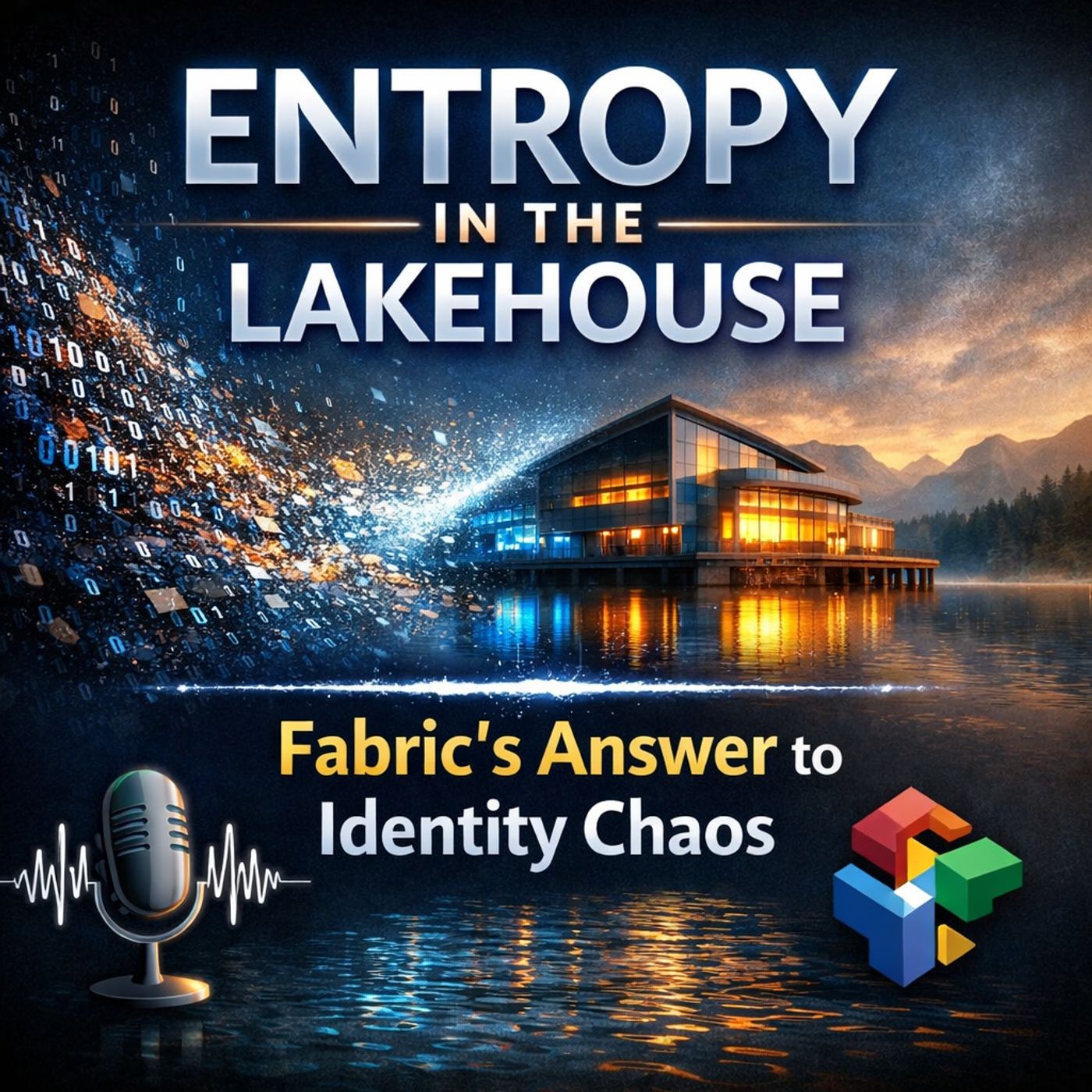
In lakehouse architectures, managing identity chaos is crucial for maintaining data integrity and accessibility, especially in the context of entropy in the lakehouse. When identity chaos occurs, it can lead to confusion and mistrust in your data analytics. Microsoft Fabric emerges as a powerful solution to address these challenges. By implementing effective identity management strategies, you can ensure that only authorized personnel access or modify data. This approach not only safeguards data integrity but also enhances overall data governance, making your insights more reliable and accessible.
Key Takeaways
- Identity chaos can lead to confusion and mistrust in data analytics. Clear identity management is essential.
- Temporary labels like emails or IDs can create ambiguity. Use stable identifiers to maintain data integrity.
- Lakehouse architectures unify data management, improving accessibility and streamlining analytics processes.
- Microsoft Fabric offers engine-owned identity management, ensuring unique identifiers for every data entry.
- Deterministic identity columns provide consistent identities, enhancing trust in analytics across systems.
- Effective identity management strategies are crucial for compliance and maintaining data governance.
- Bridging the gap between data and governance teams fosters collaboration and strengthens policy enforcement.
- AI and machine learning can automate identity management tasks, improving security and user experience.
Identity Chaos Overview
Characteristics of Identity Chaos
Identity chaos happens when you cannot clearly identify or manage data identities across systems. Rajan Behal, an Advisory Managing Director at KPMG LLP, points out that as organizations become more interconnected and software-driven, managing identities—especially non-human ones—becomes vital for security and smooth operations. When you face identity chaos, you deal with multiple, changing, or unclear identities that cause confusion and errors.
Temporary Labels and Their Impact
Many systems use temporary labels like emails, customer IDs, or composite keys to identify data. These labels often work only within specific applications or policies. Once data moves beyond its original system, these labels lose their meaning. This loss creates duplicates, conflicts, and ambiguity. You might see the same user represented by different IDs or one ID linked to multiple users. This situation makes it hard to track data accurately or enforce security.
Some common characteristics of identity chaos include:
- Identity complexity: Managing many identities that change across channels and interactions.
- Privacy challenges: Navigating laws that affect how you collect and manage data based on user consent and location.
These factors increase the difficulty of maintaining clear and consistent identities in your data systems.
Examples of Data Ambiguity
Identity chaos shows up in many ways in real-world data management:
- Operational friction: Teams struggle to coordinate because identity systems do not align.
- Security risks: Confusing or duplicated identities create vulnerabilities.
- Visibility gaps: You lose clear insight into who has access or how data flows.
For example, companies like Okta have faced challenges aligning identity systems after acquisitions. Platforms like Zluri help by automating access reviews and onboarding/offboarding, reducing risks from orphaned access and compliance failures.
| Challenge | Description |
|---|---|
| Confusing permissions | Permissions become unclear as systems scale, leading to access issues. |
| Brittle security models | Security frameworks fail to adapt, creating vulnerabilities. |
| Duplicated identities | Multiple identities for the same user complicate management and access. |
| Gap between teams | A disconnect grows between data teams and governance, hindering collaboration. |
Implications for Data Management
Identity chaos affects your data management in serious ways. When you cannot trust identities, your entire analytics and governance framework suffers.
Erosion of Trust in Analytics
Data without clear identity is just numbers without context. When you cannot resolve identities correctly, you misattribute data. This misattribution leads to poor decisions based on inaccurate insights. For example, traffic data often includes many unrecognized visitors, which skews your analytics. Without stable identities, your reports and AI models drift away from reality silently, without obvious errors.
Challenges in Data Governance
Governance depends on clear rules about who can access and modify data. Identity chaos breaks these rules by creating confusion over permissions and roles. This confusion leads to:
| Implication Type | Description |
|---|---|
| Operational Disruption | System downtime, lost productivity, and emergency resource use caused by identity failures. |
| Compliance Failures | Violations of regulations and failed audits due to poor identity governance. |
| Financial Impact | Costs from fixing issues, legal penalties, and business interruptions. |
| Reputational Damage | Loss of customer trust and damage to your brand over time. |
You also face a growing gap between data teams and governance groups. This gap hinders collaboration and weakens your ability to enforce policies effectively. Good governance requires you to bridge this gap and maintain clear, consistent identity management.
Note: Managing identity chaos is not just a technical challenge. It directly impacts your ability to govern data responsibly and maintain trust in your analytics.
Entropy in the Lakehouse
The Role of Lakehouse Architectures
Lakehouse architectures play a vital role in modern data ecosystems. They combine the best features of data lakes and data warehouses, creating a unified platform for data management. This integration allows you to streamline your analytics processes and improve data accessibility. Here are some key aspects of how lakehouse architectures function:
- Lakehouse architecture consists of multiple layers that facilitate data ingestion, storage, processing, and consumption.
- They support various data types in one repository, minimizing redundancy.
- Lakehouses enable both batch and real-time processing, catering to diverse analytics needs.
The benefits of lakehouse architectures are significant. They provide:
| Benefit | Description |
|---|---|
| Unified access | Analysts and data scientists work from the same governed data source. |
| Real-time analytics | Data is ready for immediate use without long ETL pipelines. |
| Simplified governance | Centralized metadata and access controls ensure data quality and compliance. |
| Integrated BI workflows | Business users can query, visualize, and trust the same data that powers advanced analytics. |
Identity Management Challenges
Despite their advantages, lakehouse architectures face identity management challenges. Entropy in the lakehouse can lead to data silos and fragmentation, complicating your data management efforts.
Data Silos and Fragmentation
As data flows through various systems, it can become fragmented. This fragmentation creates silos, making it difficult to access and manage data effectively. Here are some issues that arise from this fragmentation:
| Issue | Description |
|---|---|
| Duplication | Rapidly multiplying pipelines lead to redundant data processing. |
| Complexity | Increased complexity in query plans and transformations across teams. |
| Cost Drift | Rising costs associated with managing distributed data platforms. |
| Fragmentation | Systems become harder to manage, leading to data silos. |
| Need for Stabilization | Emergence of new engineering roles focused on system stabilization. |
Complexity in User Access Management
Managing user access in a lakehouse environment can be complex. You must ensure that the right people have access to the right data while maintaining security. This complexity arises from several factors:
- The need for robust access control mechanisms to prevent unauthorized access.
- The challenge of keeping track of user permissions across different data sources.
- The requirement for continuous monitoring to adapt to changing user roles and data policies.
As you navigate these challenges, remember that effective identity management is crucial for maintaining trust in your analytics. By addressing entropy in the lakehouse, you can create a more reliable and efficient data environment.
Microsoft Fabric’s Solutions

Key Features of Fabric
Microsoft Fabric offers innovative features that tackle identity chaos effectively. Two standout features are engine-owned identity management and deterministic identity columns.
Engine-Owned Identity Management
With engine-owned identity management, you gain a robust framework for handling identities. This feature allows the analytical engine to generate and enforce unique identifiers for every data entry. By doing this, you eliminate the reliance on temporary labels that often lead to confusion. Instead, you create a stable environment where each data point has a consistent identity. This approach reduces ambiguity and enhances trust in your analytics.
Deterministic Identity Columns
Deterministic identity columns serve as another critical feature of Microsoft Fabric. These columns act as immutable anchors for your data, ensuring that every row in your lakehouse has a unique identifier. This stability is crucial when processing data across various systems. It allows you to maintain a clear lineage of data transformations, making it easier to track changes and ensure compliance.
Benefits of Using Fabric
Utilizing Microsoft Fabric brings numerous benefits that enhance data security and analytics reliability at scale.
Enhanced Data Security
Microsoft Fabric significantly improves data security through centralized access control and standardized data models. This structure ensures that security measures remain consistent across the entire system. Integration with Microsoft Purview for cataloging and data lineage further enhances governance. Additionally, OneLake provides centralized storage, while Microsoft Entra ID enables role-based access control. These features ensure that security policies are enforced consistently, protecting your data from unauthorized access.
Reliable Analytics at Scale
When you implement Microsoft Fabric, you can trust that your analytics will remain reliable, even as your data scales. The platform's ability to unify data from various operations enhances efficiency and compliance. For instance, EMSTEEL successfully scaled its operations globally while meeting strict compliance requirements. This showcases how Microsoft Fabric can support reliable analytics, allowing you to make informed decisions based on accurate insights.
By adopting Microsoft Fabric's solution, you transform your lakehouse architecture into a more secure and reliable environment. You can confidently navigate the complexities of identity management while ensuring that your analytics remain trustworthy.
Governance and Identity Management
Governance plays a crucial role in managing identity chaos within lakehouse architectures. As data complexity increases, you face evolving governance challenges that require your attention. These challenges include the need for robust access controls, compliance oversight, and managing diverse data formats. Traditional governance models struggle to keep pace with decentralized data access, leading to potential security vulnerabilities.
Evolving Governance Challenges
Bridging the Gap Between Data Teams
You may notice a growing gap between data teams and governance teams. This disconnect can hinder collaboration and weaken your ability to enforce policies effectively. To bridge this gap, you must foster communication and understanding between these groups. Establishing clear roles and responsibilities helps ensure that everyone is aligned on governance objectives.
Regulatory Compliance Considerations
Regulatory compliance is another critical aspect of governance. You must navigate various laws and regulations that affect how you manage data. Without strong governance, you risk non-compliance, which can lead to legal penalties and reputational damage. A unified governance approach improves data security and regulatory compliance by establishing consistent data handling policies and procedures.
Innovations in Governance Solutions
Innovations in governance solutions are transforming how you manage identities and access. Modern identity governance solutions emphasize real-time capabilities, including automated, time-bound access controls. These innovations support rapid development cycles and enhance security.
AI and Machine Learning Applications
AI and machine learning are revolutionizing governance and identity management. Generative AI simplifies access requests through natural language interfaces. Users can query their access levels and receive instant, accurate responses. This improvement enhances user experience and streamlines administrative tasks, reducing the manual effort required for identity management.
Some applications of AI in governance include:
- Automated threat investigation, where AI agents analyze alerts and determine the risk level of events.
- Adaptive access responses that autonomously adjust access based on detected suspicious behavior.
- Continuous identity risk scoring that tracks user behavior to inform access decisions.
Predictive Analytics for Governance
Predictive analytics also plays a vital role in governance. By leveraging data patterns, you can anticipate potential compliance issues and security risks. This proactive approach allows you to address problems before they escalate, ensuring a more secure and compliant environment.
In summary, identity chaos poses significant challenges in lakehouse architectures. Microsoft Fabric addresses these challenges with innovative solutions like Workspace Identity. This feature simplifies credential management by creating a Microsoft Entra ID service principal for the workspace. You can authenticate Fabric items to external resources without storing credentials directly.
Adopting effective identity management strategies is crucial for maintaining data integrity and trust in analytics. By leveraging Microsoft Fabric, you can enhance your data governance and streamline your operations. Consider Microsoft Fabric as a viable solution for your lakehouse architecture to navigate the complexities of identity management effectively.
FAQ
What is identity chaos in lakehouse architectures?
Identity chaos occurs when you cannot clearly manage data identities across systems. This confusion leads to duplicates, conflicts, and mistrust in analytics.
How does Microsoft Fabric address identity chaos?
Microsoft Fabric uses engine-owned identity management and deterministic identity columns. These features create stable, unique identifiers for data, reducing ambiguity and enhancing trust.
Why is effective identity management important?
Effective identity management ensures data integrity and accessibility. It helps maintain trust in analytics and supports compliance with governance policies.
What are deterministic identity columns?
Deterministic identity columns are unique identifiers generated by the analytical engine. They provide a consistent identity for each data entry, ensuring reliable analytics.
How can I improve data governance in my organization?
You can improve data governance by fostering collaboration between data and governance teams. Establish clear roles, responsibilities, and consistent policies for managing data access.
What role does AI play in identity management?
AI enhances identity management by automating access requests and monitoring user behavior. It helps identify potential security risks and streamlines administrative tasks.
Can Microsoft Fabric support real-time analytics?
Yes, Microsoft Fabric supports real-time analytics by allowing immediate access to data without lengthy ETL processes. This capability enhances decision-making and operational efficiency.
How does identity chaos affect analytics?
Identity chaos leads to misattributed data, resulting in inaccurate insights. This misalignment can cause poor decision-making and erode trust in your analytics.
🎧 Listen to this episode
Want a practical explanation of Fix Duplicate Customer Identity in Power BI and Fabric? This episode breaks down the topic in clear language and shows why it matters for Microsoft 365, Azure, Power Platform, security, AI, and modern work.
Listen to this episode if you want to:
- Understand the key concepts behind Fix Duplicate Customer Identity in Power BI and Fabric
- See how it fits into the wider Microsoft technology ecosystem
- Learn where it can create practical value for your organization
You may also enjoy these related M365 FM episodes:
- Fix Microsoft Entra ID Conditional Access and Identity Debt
- Fix Silent Failures in Automated Customer Journeys
- Fix Wrong Copilot Numbers in Microsoft Fabric
- Dynamics 365 Customer Service - Simply Explained
- Microsoft Fabric OneLake - Simply Explained
Discover more practical Microsoft conversations on M365 FM.
Apple Podcasts · Spotify · YouTube · YouTube Music
Host: Mirko Peters