 EN
 Deutsch
 Español
 Français
 Italiano
 Português
 Nederlands
 Polski
 Bahasa Indonesia
 Русский
 Українська
 العربية
 עברית
 हिन्दी
 日本語
 한국어
2026-01-04
Enforce AI Agent Security Controls at Execution Time
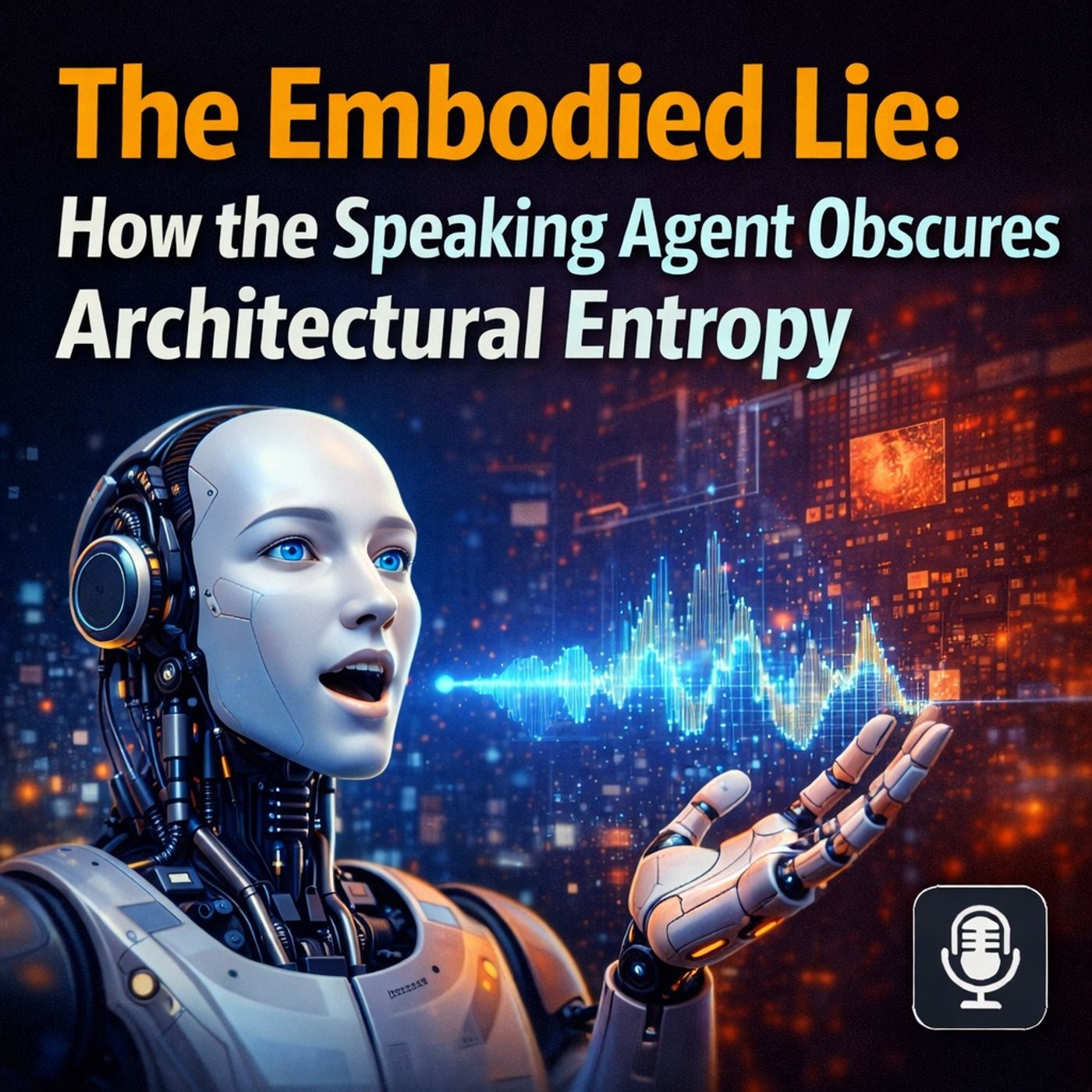

In architecture, you encounter the concept of the embodied lie. This idea reveals how architects create illusions of stability in their designs. The speaking agent plays a crucial role in this process. It communicates authority and reliability, often masking the inherent complexities and uncertainties of architectural entropy. As you delve deeper into these themes, consider how such illusions impact your understanding of architectural practice.
Key Takeaways
- Recognize the embodied lie in architecture. Understand how it creates illusions of stability that can mislead you.
- Acknowledge the role of speaking agents. They simplify complex information but may obscure deeper architectural complexities.
- Understand architectural entropy. Recognize that buildings change over time due to factors like material degradation and user adaptation.
- Balance short-term goals with long-term sustainability. Make design choices that consider future impacts on safety and the environment.
- Embrace transparency in architectural practices. Clear communication fosters trust and helps stakeholders understand design decisions.
- Integrate aesthetics with functionality. Create designs that are visually appealing while also meeting practical needs for users.
- Learn from case studies of misleading stability. Analyze past projects to avoid similar pitfalls in your own architectural practice.
- Prioritize maintenance and adaptability. Timely upkeep can prevent larger issues and enhance the longevity of your designs.
Defining the Embodied Lie
The Speaking Agent
Characteristics of Speaking Agents
Speaking agents serve as the voice of authority in architectural practice. They communicate design intent and project stability. However, their characteristics often mask deeper complexities. Here are some key traits of speaking agents:
- Authoritative Tone: They convey confidence, making users feel secure in their decisions.
- Contextual Awareness: They adapt their responses based on user input and environmental factors.
- Simplified Communication: They distill complex information into digestible formats, often oversimplifying the underlying issues.
These characteristics create an illusion of control, leading you to trust the decisions made based on their guidance.
Examples in Architectural Practice
In architectural practice, speaking agents manifest in various forms. For instance, design software often includes features that suggest optimal layouts or materials. These tools present themselves as knowledgeable advisors. However, they may overlook critical factors such as site-specific conditions or user needs.
Another example is the use of virtual reality (VR) in design presentations. VR can create immersive experiences that seem to validate a design's feasibility. Yet, this technology can obscure the realities of construction challenges and long-term maintenance.
Understanding Entropy
Architectural Drift and Complexity
Entropy in architecture refers to the inevitable changes and complexities that arise over time. As buildings age, they undergo architectural drift. This drift can manifest in various ways, such as:
- Material Degradation: Natural wear and tear can alter a building's appearance and functionality.
- User Adaptation: Occupants may modify spaces to suit their needs, leading to unexpected complexities.
- Environmental Factors: Changes in climate and surrounding infrastructure can impact a building's performance.
Understanding these factors is crucial. They highlight how the embodied lie can mislead you into believing that a design is static and unchanging.
The Role of Decision-Making
Decision-making plays a vital role in managing architectural entropy. You must consider various scientific principles that underpin this concept. For example:
- Maximum Entropy Production Principle (MEPP): Non-equilibrium systems evolve to maximize entropy production, leading to complex structures.
- Informational Determinism: Information processing significantly influences how structures evolve.
- Causal Emergence: Higher-level descriptions can exhibit stronger causal relationships than lower-level ones, impacting architectural complexity.
These principles illustrate that decision-making in architecture must account for the inherent uncertainties and complexities of entropy. By recognizing these factors, you can make more informed choices that acknowledge the realities of architectural drift.
Illusion of Meaning in Architecture
Creating Facades of Stability
Communication of Intent
Architects often use various methods to create facades of stability in their designs. These facades serve as a communicative layer, expressing the intent behind the structure. Some common techniques include:
- Ventilated facade systems: These systems create an air gap that enhances thermal insulation and reduces condensation. They are projected to account for over 40% of new installations by 2028 due to their energy efficiency.
- Stable diffusion models: This novel approach integrates stylistic images with structural conditions. It employs advanced digital technology to generate facade images that maintain both aesthetic appeal and structural integrity.
These methods contribute to the illusion of meaning, reinforcing the perception that a building is stable and enduring.
Perception vs. Reality
The disconnect between perception and reality often leads to misunderstandings in architectural projects. For instance, a young architect learned that his client felt talked down to, despite the architect's belief that he was being clear and respectful. This situation highlights that the client's perception is reality. Different stakeholders can have vastly different perceptions of the same project outcome, affecting satisfaction and cooperation.
Architectural elements, like those in the Parthenon, create optical illusions that enhance the perception of stability. The architects employed counter-perspective techniques to mitigate visual distortions, making the structure appear more lifelike. This philosophical viewpoint emphasizes how mass and solidity are often equated with stability, reinforcing the idea that architectural facades play a vital role in creating an illusion of enduring meaning.
Impact on Design Decisions
Short-term vs. Long-term Considerations
When making design decisions, you must balance short-term goals with long-term sustainability. Architects often prioritize immediate client visions, which can lead to choices that increase carbon emissions or reduce durability. Such decisions elevate long-term safety risks. A unified framework that integrates safety and sustainability ensures that every design and maintenance choice is both safe and environmentally responsible.
- Small maintenance issues can escalate into larger problems affecting comfort and energy use.
- Timely maintenance can prevent costly repairs and preserve building performance.
Case Studies of Misleading Stability
Several case studies illustrate how misleading stability can impact architectural outcomes. For example, some buildings designed with a focus on aesthetic appeal may overlook critical factors like user adaptability and environmental changes. This oversight can lead to unexpected complexities and challenges in the long run.
By examining these cases, you can better understand how the illusion of meaning shapes architectural practice and influences design decisions.
Consequences of Obscuring Entropy

Risks in Architectural Practice
Ignoring Underlying Complexities
When you ignore the underlying complexities in architectural projects, you face significant risks. The challenge of maintaining context in architectural practice grows as modern designs become more intricate. Engineers often struggle to hold the entire design in their minds. This limitation leads to decisions that may seem reasonable in isolation but can accumulate into systemic issues over time.
Consider the following risks associated with ignoring these complexities:
- Accumulation of accidental complexity due to poor design choices.
- Systems become harder to maintain, understand, and evolve.
- Increased likelihood of project failure or inefficiencies.
These factors contribute to architectural entropy, making it essential to recognize and address them.
Potential Failures in Design
Potential failures in design often stem from a lack of awareness of architectural entropy. As systems evolve, their complexity increases. You may find that decisions made without considering the broader context lead to mismatches between expected and actual system behavior. This disconnect can result in:
- Escalating operational costs.
- Integration difficulties between teams.
- Scalability limits that cause latency spikes under load.
- Evolutionary rigidity, where features take longer to implement.
These issues highlight the importance of understanding the complexities inherent in architectural practice. By acknowledging these risks, you can make more informed decisions that enhance the overall integrity of your designs.
Societal Implications
Sustainability and Resilience
The implications of obscuring entropy extend beyond individual projects to societal levels. The accumulation of entropy can lead to dysfunction and loss of knowledge within communities. Institutions and infrastructure may become increasingly incoherent and dysfunctional. This situation can threaten civilizational continuity.
To address these challenges, consider the following points related to sustainability and resilience:
- Planned interventions can reduce systemic entropy, enhancing urban resilience.
- Managing entropy in urban systems is crucial for improving overall sustainability.
- Understanding the relationship between entropy principles and building performance can lead to better design choices.
| Learning Objective | Description |
|---|---|
| Analyze relationship | Explore how entropy principles affect building performance over time, including material degradation and energy consumption in sustainable design. |
| Evaluate buildings | Use entropy-based criteria to assess resilience, adaptability, and environmental impact throughout building lifecycles. |
| Apply strategies | Implement entropy management strategies for sustainable design solutions that align with natural forces. |
| Synthesize frameworks | Integrate entropy principles with climate resilience strategies to enhance building performance and community value over time. |
Public Perception of Architecture
Public perception of architecture also suffers when you obscure entropy. When buildings appear stable and enduring, you may overlook the complexities that lie beneath the surface. This disconnect can lead to unrealistic expectations among stakeholders.
For example, when a building fails to meet its intended purpose due to unforeseen complexities, public trust in architectural practices can diminish. This erosion of trust can have lasting effects on how communities view architecture and its role in society.
By recognizing the importance of transparency and complexity, you can help foster a more informed public perception of architecture. This shift can lead to greater appreciation for the challenges architects face and the solutions they create.
Counterarguments and Responses
Supporting the Speaking Agent
Benefits of Simplified Communication
You may find that speaking agents offer significant advantages in architectural practice. Their ability to simplify complex information can enhance communication among stakeholders. Here are some benefits of this simplified communication:
- Clarity: Speaking agents distill intricate concepts into understandable terms, making it easier for you to grasp essential ideas.
- Efficiency: They streamline decision-making processes, allowing you to focus on critical aspects of design without getting bogged down by details.
- Accessibility: Simplified communication makes architectural concepts more accessible to non-experts, fostering broader engagement.
These benefits can create a more inclusive environment where diverse perspectives contribute to the design process.
The Role of Aesthetics
Aesthetics play a crucial role in balancing complexity in architecture. Studies indicate that aesthetic value correlates positively with order and negatively with complexity. This relationship suggests that well-designed spaces can mitigate the challenges of complexity. Here are some key points to consider:
- Positive Emotional Reactions: Spaces with moderate complexity evoke positive feelings, creating engaging environments.
- Visual Appeal: Aesthetic elements can attract attention and enhance user experience, making complex designs more palatable.
- Cognitive Frameworks: Gestalt principles help organize complex visual information, facilitating appreciation and understanding.
By integrating aesthetics into your designs, you can create spaces that resonate with users while managing complexity effectively.
Addressing Concerns
Importance of Transparency
Transparency is vital in architectural governance. It enhances accountability and builds trust among stakeholders. When you implement transparency initiatives, you allow others to understand the rationale behind decisions. This understanding fosters civic engagement and trust, as people can see how choices align with public interests. Effective transparency is not just about sharing data; it emphasizes quality and clarity.
| Benefit/Role | Description |
|---|---|
| Engagement | Transparency fosters engagement among stakeholders, allowing them to understand the rationale behind decisions. |
| Alignment | It helps align architectural decisions with organizational goals, reducing disparate priorities. |
| Accessibility | Public access to decision rationales fosters a collaborative environment. |
| Efficiency | It reduces the workload of architects, allowing them to focus on optimization rather than constant reporting. |
Balancing Aesthetics with Complexity
While aesthetics can enhance architectural designs, you must also consider the potential drawbacks. Overly intricate designs may detract from emotional well-being and functionality. Here are some points to keep in mind:
- Stress vs. Comfort: Complex designs can lead to stress rather than comfort if not balanced properly.
- Human Scale: Designs that prioritize balance and human scale resonate more deeply than those focused solely on spectacle.
- Symmetry and Proportionality: These elements promote harmony and reduce stress, contributing to a sense of order.
By recognizing these challenges, you can strive for a balance that respects both aesthetics and complexity in your architectural practice.
You must recognize the embodied lie of the speaking agent in architecture. This recognition helps you understand how it obscures architectural entropy. Embracing transparency in your practices can lead to better decision-making. Consider these points:
- Modernism transforms mirrors into moral instruments, emphasizing visibility in architecture.
- Reflective surfaces reduce energetic dissipation and enhance resource efficiency.
- Buildings function as open thermodynamic systems, where reflection regulates energy.
By acknowledging complexity, you can create designs that are not only aesthetically pleasing but also sustainable and resilient.
FAQ
What is the embodied lie in architecture?
The embodied lie refers to the illusion of stability that architects create in their designs. This concept highlights how speaking agents can obscure the complexities of architectural entropy.
How do speaking agents influence architectural practice?
Speaking agents communicate authority and simplify complex information. They can create a false sense of control, leading you to overlook underlying complexities in design.
Why is understanding entropy important?
Understanding entropy helps you recognize the inevitable changes and complexities in architecture. It allows you to make informed decisions that account for long-term sustainability and resilience.
How can aesthetics impact architectural complexity?
Aesthetics can enhance user experience while managing complexity. Well-designed spaces evoke positive emotions and help you appreciate intricate designs without feeling overwhelmed.
What are the risks of ignoring architectural complexities?
Ignoring complexities can lead to project failures, increased operational costs, and difficulties in maintaining systems. Recognizing these factors is crucial for successful architectural outcomes.
How does transparency benefit architectural governance?
Transparency fosters trust among stakeholders. It allows you to understand the rationale behind decisions, promoting civic engagement and aligning architectural choices with public interests.
What role does language play in architectural communication?
Language shapes meaning-making in architecture. Clear communication helps you convey design intent effectively, ensuring that all stakeholders understand the project's goals and complexities.
How can I balance aesthetics and functionality in design?
You can balance aesthetics and functionality by prioritizing human scale and comfort. Focus on creating spaces that are visually appealing while also meeting practical needs.
🎧 Listen to this episode
Want a practical explanation of Enforce AI Agent Security Controls at Execution Time? This episode breaks down the topic in clear language and shows why it matters for Microsoft 365, Azure, Power Platform, security, AI, and modern work.
Listen to this episode if you want to:
- Understand the key concepts behind Enforce AI Agent Security Controls at Execution Time
- See how it fits into the wider Microsoft technology ecosystem
- Learn where it can create practical value for your organization
You may also enjoy these related M365 FM episodes:
- AI Agent Identity Security: Beyond Service Accounts
- Security Agent Fabric: Autonomous AI for Cyber Defense
- Dataverse Security - Simply Explained
- Agent-to-Agent (A2A) Communication - Simply Explained
- Azure Network Security Groups - Simply Explained
Discover more practical Microsoft conversations on M365 FM.
Apple Podcasts · Spotify · YouTube · YouTube Music
Host: Mirko Peters