 EN
 Deutsch
 Español
 Français
 Italiano
 Português
 Nederlands
 Polski
 Bahasa Indonesia
 Русский
 Українська
 العربية
 עברית
 हिन्दी
 日本語
 한국어
2026-01-08
AI Stewardship for Microsoft 365 Governance
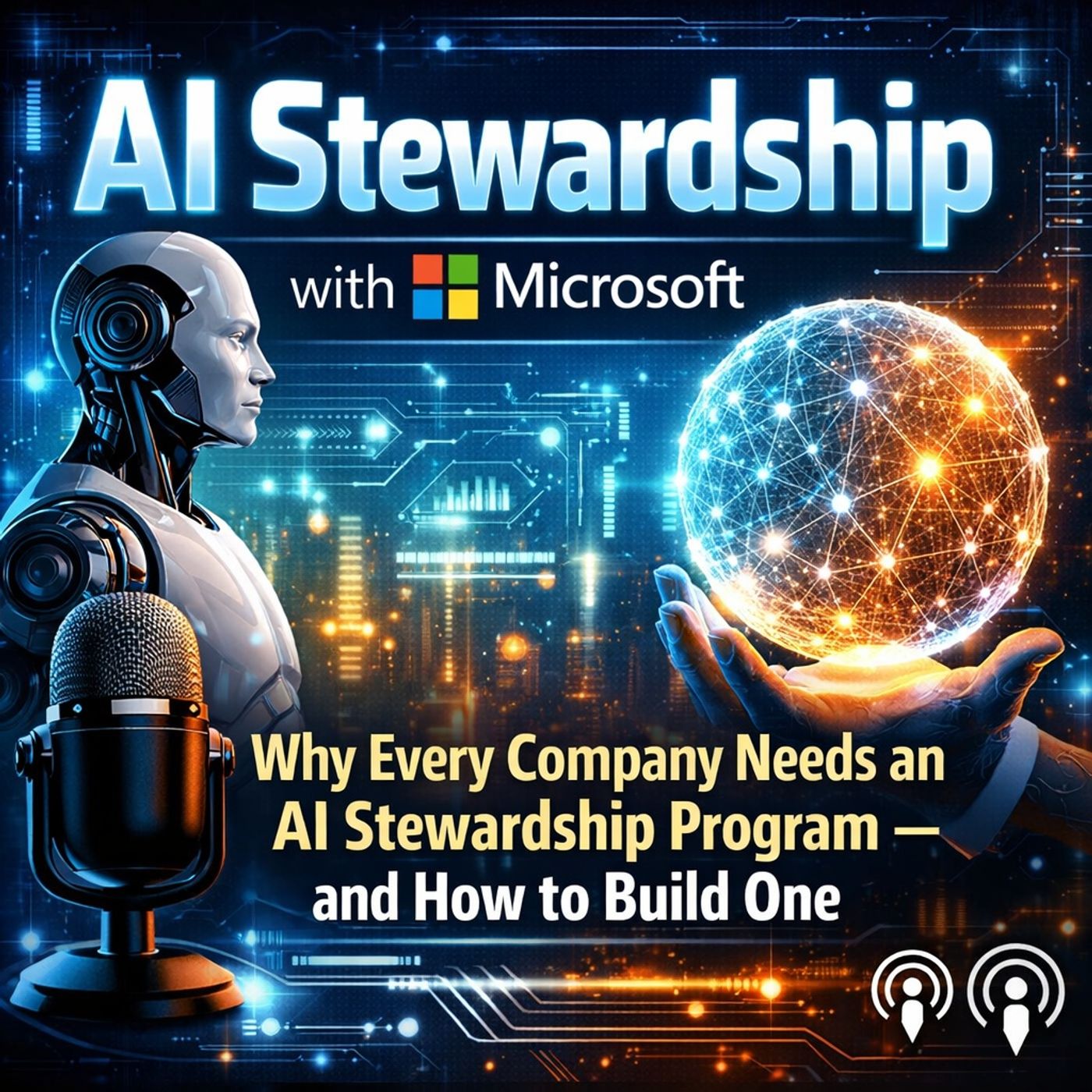
In today's fast-paced technological world, implementing an AI stewardship program is essential for your company. These programs play a critical role in mitigating risks, such as poor data quality and privacy concerns. Without proper stewardship, you face significant threats, including cybersecurity attacks and legal issues from bias in AI systems. The urgency to adopt these programs cannot be overstated. They not only enhance your AI capabilities but also help you maintain trust with your stakeholders. Embracing stewardship practices ensures that your organization navigates the complexities of AI responsibly.
Key Takeaways
- Implementing an AI stewardship program is crucial for managing risks like data quality and privacy concerns.
- Establish clear guidelines for AI applications to address privacy and bias issues effectively.
- High-quality data is essential for accurate AI predictions; ensure data is reliable and well-documented.
- Regular audits and transparency in AI processes help maintain ethical standards and build trust.
- Involve diverse teams in AI development to reduce bias and promote fairness in AI outcomes.
- Stay updated on AI regulations to ensure compliance and protect your organization from legal issues.
- AI stewardship enhances operational efficiency, leading to faster processes and fewer errors.
- Fostering a culture of responsibility in AI use supports long-term success and stakeholder trust.
AI Stewardship Program Overview
The AI Stewardship Program serves as a comprehensive framework designed to guide organizations in managing their AI systems responsibly. Its primary purpose is to ensure that AI technologies operate ethically and effectively while minimizing risks associated with data quality, privacy, and compliance. By implementing this program, you can establish a structured approach to AI governance that prioritizes accountability and transparency.
Key Components
A successful AI stewardship program consists of several essential components that work together to create a robust governance framework. Here are some key elements:
- Development of Guidelines: Establish clear guidelines for AI applications, ensuring they address privacy concerns and potential biases.
- Data Quality Standards: Implement rigorous standards to guarantee that the data used for AI model training is accurate and representative.
- Adaptability of AI Models: Create AI models that can adapt to various contexts, enhancing their effectiveness across different scenarios.
- Longitudinal Studies: Conduct studies to evaluate the long-term impacts of AI on public health and clinical practices.
Human accountability plays a crucial role in effective AI governance. The PDPCS emphasizes that clarity on AI objectives is vital for determining the necessary level of human involvement. This oversight helps mitigate risks and uphold ethical standards. For instance, consider a scenario where an AI system allows unauthorized access to a workplace. This situation raises questions about legal responsibility, highlighting the need for human decision-making to prevent harmful outcomes.
AI governance encompasses the policies and oversight mechanisms that ensure responsible development and use of AI systems. This governance framework is essential for managing risks and upholding ethical standards, which are critical for effective AI stewardship. By prioritizing human accountability, you can navigate the complexities of AI deployment with confidence and integrity.
Data Quality in AI

Data quality significantly impacts the performance of AI systems. High-quality data ensures that AI models produce accurate and reliable outcomes. When you maintain consistent data governance, you minimize errors and inconsistencies. This approach leads to stable training processes, resulting in precise predictions and improved overall model performance. The Chief Data Officer (CDO) plays a vital role in overseeing data operations. They ensure that the data feeding into AI models is reliable and well-documented. This stewardship helps maintain stable model performance over time, making AI outcomes more dependable and valuable for sustained business insights.
To ensure high-quality data governance, consider implementing the following strategies:
- Transparency instigators: Create clear audit trails and data lineage to clarify how data supports AI conclusions.
- AI architecture overseers: Ensure the data infrastructure meets AI needs, including cloud capabilities and data interoperability.
- Process and policy hall monitors: Ensure data policies are understood and followed, especially regarding AI data use.
- Bias detectives: Identify and mitigate bias in data to avoid unfair outcomes.
- Compliance navigators: Stay informed about evolving AI regulations to ensure compliance.
- Quality gatekeepers: Ensure data meets the quality thresholds for specific AI use cases.
- Synthetic data specialists: Become experts in generating and using synthetic data to ensure it is representative and bias-free.
Legal and regulatory frameworks also govern data quality and risk management in AI applications. Organizations must embed legal reviews, transparent data handling, and ethical oversight throughout AI development. This approach builds public trust and ensures safe, responsible AI deployment. The EU AI Act, effective from early 2025, mandates transparency, bias testing, and data governance for high-risk AI applications. Such regulations establish clear compliance obligations that organizations must follow.
Privacy and Ethical Considerations
Addressing Bias in AI
You must recognize that privacy plays a vital role in AI systems. AI often collects data indirectly, which can create transparency and consent challenges. It can also build detailed profiles that affect user autonomy and reinforce stereotypes. When AI reuses data beyond its original purpose, it risks biased results. Cybersecurity threats add another layer of risk by exposing sensitive data. Protecting privacy means you must carefully manage how data flows through AI systems and guard against these vulnerabilities.
To deploy AI ethically, you should follow best practices that cover the entire AI lifecycle. These include:
- Defining clear company uses and technology requirements for AI.
- Conducting thorough third-party risk assessments for any AI providers you choose.
- Having your Chief Compliance Officer lead vendor risk evaluations.
- Establishing and enforcing policies that comply with country-specific regulations.
- Communicating openly with users and employees about how AI tools operate.
- Providing mandatory AI training during onboarding and ongoing education for relevant staff.
- Ensuring private systems protect confidential information when using AI.
Addressing bias in AI requires active efforts. You should audit your data carefully, checking for outdated language or skewed representation. Demand transparency by requiring documentation of models, bias test results, and clear information about data sources. Establish governance structures that schedule independent AI audits regularly, similar to financial reviews, to maintain ongoing oversight.
| Strategy | Description |
|---|---|
| Audit Data | Review datasets and AI outputs for bias and fairness issues. |
| Demand Transparency | Require clear documentation and testing results from AI models. |
| Establish Governance | Implement regular independent audits and oversight committees. |
You can also reduce bias by involving diverse teams in AI development and using techniques like algorithmic fairness and diverse data sourcing. These steps help ensure AI decisions remain fair and explainable. Regular auditing and monitoring keep your AI aligned with ethical standards and protect the privacy of individuals whose data you use.
By focusing on privacy and ethical deployment, you build trust with your users and stakeholders. You also reduce risks related to biased outcomes and data misuse. This approach strengthens your AI systems and supports responsible innovation.
Benefits of AI Stewardship
Implementing an AI stewardship program offers numerous advantages for your organization. These benefits extend beyond compliance and risk management; they also enhance your overall operational efficiency and foster a culture of responsibility. Here are some key advantages you can expect:
-
Increased Trust: Organizations that adopt AI stewardship programs often see a significant boost in trust from their stakeholders. A study found that 99% of organizations report measurable benefits, including faster innovation and greater efficiency. Clear communication about data collection and usage builds customer confidence, with 46% of organizations identifying it as the most effective strategy.
-
Enhanced Operational Efficiency: AI stewardship can streamline processes and reduce errors. For example, the Washington, DC Child and Family Services Agency developed an AI-powered platform that saves 45 minutes per case intake. This improvement leads to better operational efficiency and minimizes the risk of mistakes.
-
Improved Compliance: As regulations around AI continue to evolve, stewardship programs help organizations navigate these complexities. By promoting human-centered values and transparency, you can ensure compliance with international standards, such as the OECD's AI regulations and the EU AI Act.
-
Long-Term Organizational Success: AI stewardship promotes ethical diligence and inclusive governance. This focus on long-term vision helps organizations avoid the pitfalls of short-term thinking. By establishing robust oversight mechanisms, you protect your organization from immediate commercial pressures, ensuring sustainable and responsible AI development.
-
Data Integrity: Effective stewardship enhances data integrity, allowing you to rely on accurate and compliant information for strategic decision-making. This reliability is crucial for achieving AI success and maintaining stakeholder trust.
By fostering transparency and accountability, AI stewardship programs create a foundation for responsible AI deployment. You can build trust with your users and stakeholders while reducing risks related to biased outcomes and data misuse. This approach not only strengthens your AI systems but also supports responsible innovation.
Implementing an AI stewardship program helps you manage data responsibly and maintain human oversight over AI systems. This approach improves AI accuracy and ethical use while reducing risks. Consider these key insights from recent research:
| Key Themes | Insights |
|---|---|
| AI in Antimicrobial Management | AI improves prescribing practices and enhances stewardship. |
| Knowledge Gaps | Gaps remain in understanding AI’s real-world applications. |
| Ethical Implications | Ethical challenges require careful attention. |
To protect your AI initiatives, take inventory of your data, tag sensitive information, and keep human oversight active. These steps build trust and foster a responsible AI ecosystem that benefits your business and stakeholders.
FAQ
What is an AI Stewardship Program?
An AI Stewardship Program is a framework that helps organizations manage AI systems responsibly. It ensures ethical use, data quality, and compliance while promoting human accountability throughout the AI lifecycle.
Why is data quality important in AI?
Data quality directly affects AI performance. High-quality data leads to accurate predictions and reliable outcomes. Poor data can result in errors and biased results, undermining trust in AI systems.
How can I ensure compliance with AI regulations?
Stay informed about evolving regulations, such as the EU AI Act. Implement policies that promote transparency, conduct regular audits, and engage legal experts to navigate compliance effectively.
What role does human accountability play in AI?
Human accountability ensures that individuals oversee AI systems. This oversight helps mitigate risks, uphold ethical standards, and clarify decision-making responsibilities throughout the AI lifecycle.
How can I address bias in AI systems?
To address bias, audit your data for fairness, demand transparency in AI models, and involve diverse teams in development. Regular independent audits can help maintain ethical standards.
What are the benefits of implementing an AI Stewardship Program?
Implementing an AI Stewardship Program increases trust, enhances operational efficiency, improves compliance, and promotes long-term organizational success. It fosters a culture of responsibility and ethical AI use.
How does AI stewardship build trust with stakeholders?
AI stewardship builds trust by ensuring transparency in data usage and decision-making. Clear communication about AI practices reassures stakeholders that your organization prioritizes ethical considerations.
What steps can I take to start an AI Stewardship Program?
Begin by assessing your current AI practices, establishing guidelines, and defining roles for accountability. Engage stakeholders, invest in training, and continuously monitor AI systems for compliance and ethical use.
🎧 Listen to this episode
Want a practical explanation of AI Stewardship for Microsoft 365 Governance? This episode breaks down the topic in clear language and shows why it matters for Microsoft 365, Azure, Power Platform, security, AI, and modern work.
Listen to this episode if you want to:
- Understand the key concepts behind AI Stewardship for Microsoft 365 Governance
- See how it fits into the wider Microsoft technology ecosystem
- Learn where it can create practical value for your organization
You may also enjoy these related M365 FM episodes:
- Scaling CI-CD: The Governance Blueprint
- AI Governance from Microsoft Copilot to Quantum Computing
- Fixing the SharePoint Metadata Gap for AI and Governance
- AI-Powered Metadata Classification for Microsoft 365 Governance
- Shadow Data Discovery and Governance with Microsoft Purview
Discover more practical Microsoft conversations on M365 FM.
Apple Podcasts · Spotify · YouTube · YouTube Music
Host: Mirko Peters