 EN
 Deutsch
 Español
 Français
 Italiano
 Português
 Nederlands
 Polski
 Bahasa Indonesia
 Русский
 Українська
 العربية
 עברית
 हिन्दी
 日本語
 한국어
2026-01-07
Fix Hidden HR Configuration and Hire-to-Retire Architecture
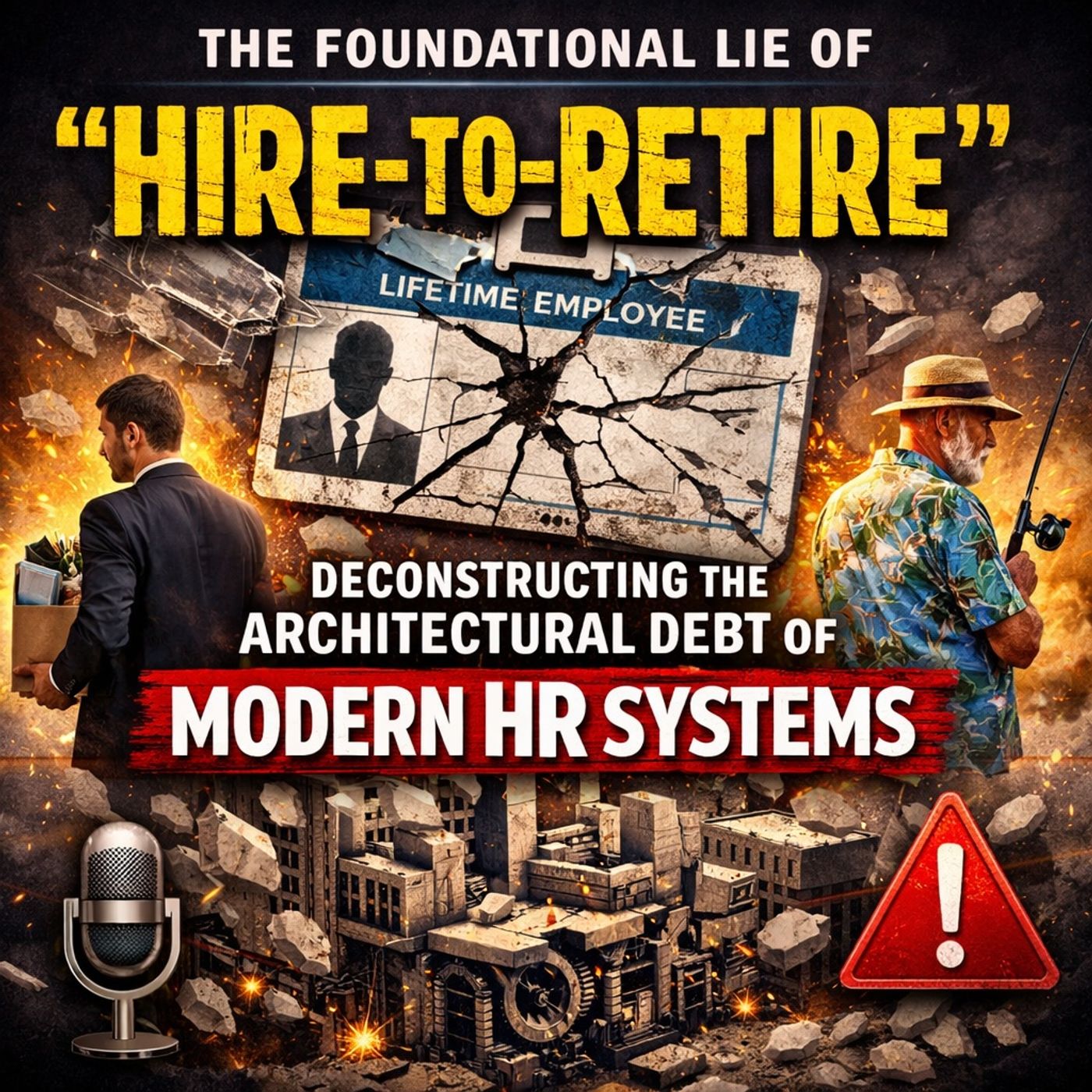
The hire-to-retire model often seems effective in managing employee lifecycles. This approach provides a structured path from recruitment to retirement. However, it hides a significant flaw: the Foundational Lie that underpins its design. Many organizations assume this model is linear and straightforward. In reality, it creates complexities that lead to architectural debt in HR systems. This debt complicates processes and hinders efficiency, making it essential for you to recognize these underlying issues.
Key Takeaways
- The hire-to-retire model oversimplifies the employee lifecycle, leading to misconceptions and inefficiencies.
- Architectural debt accumulates from poor design choices, creating hidden costs and operational challenges in HR systems.
- Fragmented systems hinder effective communication, resulting in delays and confusion for HR teams and employees.
- Brittle workflows struggle to adapt to real-world scenarios, causing errors and inefficiencies in HR processes.
- Shifting from a linear model to a dynamic approach enhances understanding and management of HR capabilities.
- Modern HR strategies focus on flexibility, data-driven decisions, and employee engagement to improve overall effectiveness.
- Addressing architectural debt requires a clear plan, including technology modernization and structured prioritization of issues.
- Investing in robust HR systems leads to reduced costs, faster responses to business needs, and improved employee satisfaction.
Hire-to-Retire Overview
The hire-to-retire model serves as a framework for managing the entire employee lifecycle. This model encompasses several key components that guide HR processes from recruitment to retirement. Here’s a breakdown of the main elements involved in this model:
- Recruitment
- Onboarding
- Performance Management
- Learning and Development
- Compensation and Benefits Management
- Employee Engagement and Retention
- Succession Planning
- Offboarding and Retirement
Traditionally, the hire-to-retire model has shaped HR system architecture in various ways. It helps you plan and recruit your workforce, onboard employees, and manage their lifecycle. Additionally, it addresses occupational health and safety, employee performance, time and attendance, travel and expenses, and payroll management. This comprehensive approach aims to create a seamless experience for both HR teams and employees.
However, several misconceptions surround the hire-to-retire model. Many people mistakenly view it as a linear lifecycle process. In reality, it operates as a complex, distributed decision engine. Fragmented systems often work at different speeds and with varying definitions of truth.
Another common misconception is that policy is explicitly defined and versioned. Instead, it often resides implicitly within configurations, workflows, and integration logic. This situation leads to "configuration entropy," resulting in brittle workflows and hidden exceptions. The lifecycle narrative can mislead you into believing that stages represent clear boundaries of truth. In fact, these stages serve merely as user interface conveniences that fail to enforce dynamic obligations effectively.
The architectural debt created by this foundational lie can lead to local optimizations that disrupt global coherence. This disruption breaks the illusion of a single system of record, especially in enforcement scenarios. Furthermore, AI implementations in HR systems may struggle because they infer policy from noisy, implicit artifacts rather than explicit intent. This situation can amplify drift instead of resolving it.
To address these misconceptions, consider shifting your mental model from lifecycle stages to capability provisioning, obligation tracking, and identity orchestration. This approach separates intent, facts, execution, and explanation, allowing for a clearer understanding of HR processes.
Foundational Lie and Architectural Debt

Defining Architectural Debt
Architectural debt refers to the hidden costs and inefficiencies that arise from poor design choices in HR systems. When you implement a system without considering its long-term implications, you accumulate architectural debt. This debt manifests in various ways, such as outdated technology, complex integrations, and inefficient workflows. Over time, these issues compound, making it harder for your HR team to adapt to new challenges.
You can think of architectural debt as a burden that weighs down your HR processes. It limits your ability to innovate and respond to changing business needs. As you continue to build on a flawed foundation, you create a cycle of inefficiency that can be difficult to break.
Impact of the Foundational Lie
The foundational lie of the hire-to-retire model significantly contributes to architectural debt. By assuming that the employee lifecycle is a linear process, you overlook the complexities involved in managing human resources. This misconception leads to several critical issues:
-
Fragmented Systems: You may find yourself using multiple systems that do not communicate effectively. Each system operates independently, creating silos of information. This fragmentation complicates data management and slows down decision-making.
-
Brittle Workflows: The belief in a straightforward lifecycle can lead to rigid workflows that fail to adapt to real-world scenarios. When exceptions arise, your systems struggle to accommodate them, resulting in delays and errors.
-
Implicit Policies: Many organizations assume that policies are clearly defined and easily accessible. However, the foundational lie often hides these policies within complex configurations and workflows. This obscurity can lead to compliance risks and inconsistent enforcement.
-
AI Challenges: As organizations increasingly rely on artificial intelligence, the foundational lie can hinder effective AI implementation. AI systems may struggle to interpret implicit policies, leading to inaccurate predictions and decisions.
By recognizing the foundational lie, you can begin to address the architectural debt in your HR systems. Shifting your perspective from a linear model to a more dynamic approach allows you to identify and resolve inefficiencies. This change can lead to a more agile and responsive HR function, ultimately benefiting your organization as a whole.
Consequences of Architectural Debt
Operational Inefficiencies
Architectural debt creates significant operational inefficiencies within HR systems. You may experience slower responses to business needs due to delays in feature requests and regulatory changes. System design limitations often hinder your ability to adapt quickly. Here are some common operational inefficiencies associated with architectural debt:
- Slower Response to Business Needs: You may find it challenging to implement necessary changes promptly.
- Unplanned Downtime: Failures during peak usage can disrupt your operations and erode customer trust.
- Rising Costs: You might face increased charges for minor enhancements and integrations that do not deliver proportional value.
- Vendor Lock-In: Complex data models and proprietary interfaces can make it difficult to replace systems.
- Innovation Denial: Architectural ceilings may prevent you from implementing advanced technologies like AI and analytics.
These inefficiencies can lead to continuity concerns. Failures in one system can affect others, resulting in widespread operational issues. You may also encounter unexpected complexities during ERP implementation projects due to deferred integration planning. This situation can create a cycle of inefficiency that hampers your HR function.
Employee Experience Challenges
Architectural debt also impacts the employee experience. When systems fail to communicate effectively, employees may struggle to access the information they need. This lack of integration can lead to frustration and disengagement. You may notice several challenges in employee experience due to architectural debt:
- Inconsistent Information: Employees may receive conflicting information from different systems, leading to confusion.
- Delayed Onboarding: Inefficient processes can slow down onboarding, making new hires feel undervalued.
- Limited Career Development: Fragmented systems may restrict access to learning and development opportunities, hindering employee growth.
When employees face these challenges, their overall satisfaction and productivity can decline. You must recognize that a seamless employee experience is crucial for retention and engagement.
Financial Implications
The financial implications of architectural debt can be substantial. As inefficiencies accumulate, you may find that costs rise without corresponding benefits. Here are some financial consequences to consider:
- Increased Operational Costs: You may incur higher expenses due to inefficient processes and system maintenance.
- Lost Revenue Opportunities: Delays in responding to market changes can result in missed opportunities for growth.
- Compliance Risks: Hidden policies and complex workflows can lead to compliance issues, potentially resulting in fines or penalties.
By addressing architectural debt, you can reduce these financial burdens. A more efficient HR system can lead to cost savings and improved decision-making. Ultimately, investing in a robust HR architecture pays off in the long run.
Solutions for Modern HR

Rethinking HR Models
You can improve your HR systems by moving beyond the traditional hire-to-retire model. Modern HR models focus on flexibility, data, and employee experience. Consider these approaches:
- Proactive Recruitment: Build a talent pool continuously. Match candidates to your needs before positions open. This keeps your hiring pipeline warm and ready.
- Data-Driven Decision Making: Use automated tools to rank candidates based on skills and qualifications. This method reduces bias and improves fairness in hiring.
- Employee Engagement: Understand your workplace culture and employee needs. Engaged employees stay longer and perform better.
- AI Integration: Use AI tools to analyze resumes and match candidates quickly. AI can also assess employee performance and provide instant support through chatbots.
These models recognize that HR is not a simple, linear process. Instead, they treat it as a dynamic system that adapts to changing business needs and employee expectations.
Strategies to Mitigate Debt
Reducing architectural debt requires a clear plan and commitment. You can take several steps to make your HR systems more agile and efficient:
- Modernize Technology: Replace legacy systems that limit innovation. Moving to cloud platforms improves scalability and integration. For example, migrating to cloud services can reduce maintenance costs and improve system performance.
- Prioritize Change Management: Manage transformation carefully. Assess your organization's readiness, design targeted communication and training, implement plans actively, and sustain changes over time.
| Phase | Key Activities |
|---|---|
| Assess | Identify stakeholders and analyze how changes will affect your organization. |
| Design | Develop communication and training plans tailored to your teams. |
| Implement | Deliver training and encourage adoption through engagement. |
| Sustain | Monitor progress and reinforce new processes to ensure lasting change. |
-
Use Structured Prioritization: Differentiate between small, local debts and large architectural debts. Apply methods like Weighted Shortest Job First (WSJF) to decide which issues to fix first. Protect time for debt reduction separate from feature development.
-
Address Hiring and Onboarding Challenges: Many organizations struggle with hiring and prioritizing capabilities. You can use temporary staffing and succession planning to maintain continuity and transfer knowledge effectively.
By tackling architectural debt, you can achieve measurable improvements:
| Improvement Type | Description |
|---|---|
| Reduced time-to-market | Launch new HR features faster and more reliably. |
| Lower costs from downtime | Spend less on fixing system outages. |
| Enhanced business agility | Adapt quickly to new HR needs and regulations. |
| Higher employee productivity | Enable your workforce to work more efficiently. |
These strategies help you build a modern HR system that supports your organization's growth and employee satisfaction. Embracing new models and managing change carefully will reduce complexity and improve your HR function’s overall effectiveness.
The hire-to-retire model presents a flawed perspective on HR systems. You must recognize the foundational lie that simplifies the employee lifecycle into a linear process. This misconception leads to architectural debt, operational inefficiencies, and challenges in employee experience.
To shift your perspective and practices, consider these recommendations:
- Create an HR transformation roadmap that outlines priorities and timelines.
- Secure leadership buy-in by communicating the value of HR transformation.
- Utilize data for decision-making to guide strategy development.
- Consult external experts for insights and best practices.
Embracing modern HR architectures will help you adapt to changing business needs. Focus on cross-functional collaboration and AI integration to enhance your HR function's effectiveness.
By addressing these foundational flaws, you can build a more agile and responsive HR system that delivers real value to your organization.
FAQ
What is the hire-to-retire model?
The hire-to-retire model outlines the entire employee lifecycle, from recruitment to retirement. It includes processes like onboarding, performance management, and offboarding.
How does architectural debt affect HR systems?
Architectural debt leads to inefficiencies, such as slow response times and fragmented systems. It complicates HR processes and hinders your ability to adapt to changes.
Why is the foundational lie significant?
The foundational lie simplifies the employee lifecycle into a linear process. This misconception creates complexities that contribute to architectural debt in HR systems.
What are the consequences of architectural debt?
Consequences include operational inefficiencies, challenges in employee experience, and increased financial costs. These issues can hinder your HR function's effectiveness.
How can I mitigate architectural debt?
You can mitigate architectural debt by modernizing technology, prioritizing change management, and using structured prioritization methods to address issues effectively.
What role does AI play in modern HR systems?
AI enhances HR systems by automating processes, analyzing data, and improving decision-making. It helps streamline recruitment and performance management.
How can I improve employee experience in HR?
Focus on integrating systems, providing consistent information, and enhancing onboarding processes. A seamless experience boosts employee satisfaction and engagement.
What should I consider when transforming HR systems?
Consider creating a roadmap for transformation, securing leadership buy-in, and utilizing data for informed decision-making. Engage with experts for best practices.
🎧 Listen to this episode
Want a practical explanation of Fix Hidden HR Configuration and Hire-to-Retire Architecture? This episode breaks down the topic in clear language and shows why it matters for Microsoft 365, Azure, Power Platform, security, AI, and modern work.
Listen to this episode if you want to:
- Understand the key concepts behind Fix Hidden HR Configuration and Hire-to-Retire Architecture
- See how it fits into the wider Microsoft technology ecosystem
- Learn where it can create practical value for your organization
You may also enjoy these related M365 FM episodes:
- Fix Microsoft 365 Copilot Accuracy with Information Architecture
- Fix Microsoft 365 Copilot Settings and Configuration
- The Monorepo Myth: Why Your Architecture Is Fragmented
- Microsoft Graph Automation Architecture: Beyond Scripts
- Graph-Powered AI Agents: An Enterprise Architecture Guide
Discover more practical Microsoft conversations on M365 FM.
Apple Podcasts · Spotify · YouTube · YouTube Music
Host: Mirko Peters